

Findings is a monthly newsletter on the influences and trends that are quietly shaping our culture by Mouthwash Studio. This post may be too long for email, read online for the best experience.
If this was forwarded to you, consider subscribing for future posts.
I. Say everything, mean nothing
We have commitment issues.
Marriage rates are declining, college enrollment and graduation rates are plummeting, and kids don’t post to the grid anymore because even the feed feels all too permanent.
Across culture at large, it feels like we’ve more or less accepted this fate.
Streaming platforms are quick to create and release shows, and even quicker to cancel them when viewership disappoints, robbing us of the possibility for robust plot and character development. Who’s to say whether The Sopranos would ever have made it out of Season 1 in today’s attention economy. A scary thought.
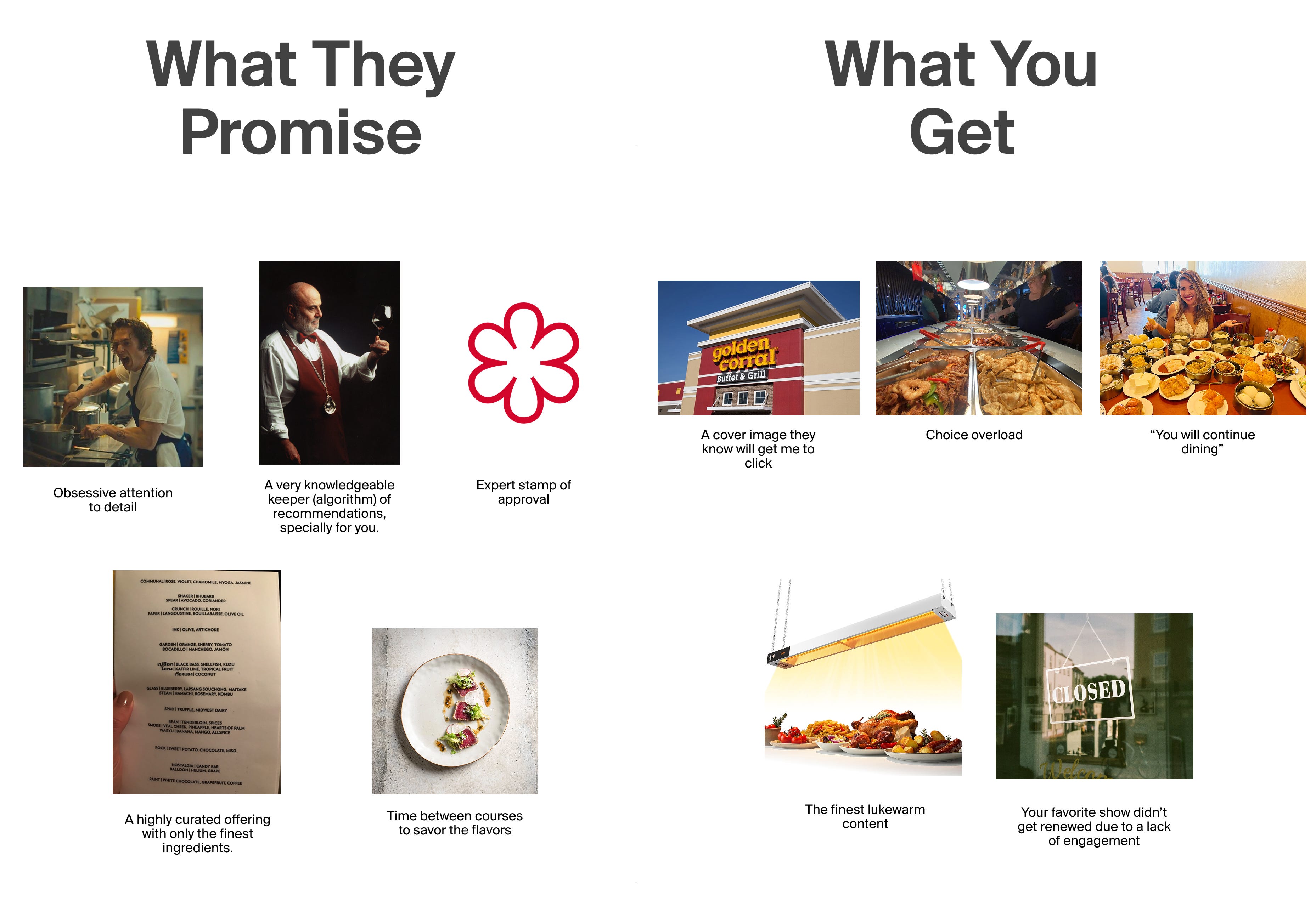
Our landscape is a buffet. You can try everything and leave without truly tasting anything. If that sounds like a less-than-desirable culinary experience, you’re catching the drift.
This ‘buffet effect’ has become endemic to modern branding.
Brand loyalty is on the decline across the board while brand trial is up. This can perhaps be attributed to the sheer number of new brands continually entering the market. Constantly stuck in that introductory phase, it’s becoming increasingly difficult to stay with anything long enough to see nuance develop or lore accumulate.
The sheer speed at which our landscape moves has forced brands to reevaluate their priorities. The notion of being “on trend” has led us to be guided by fleeting engagement, not honest vision.
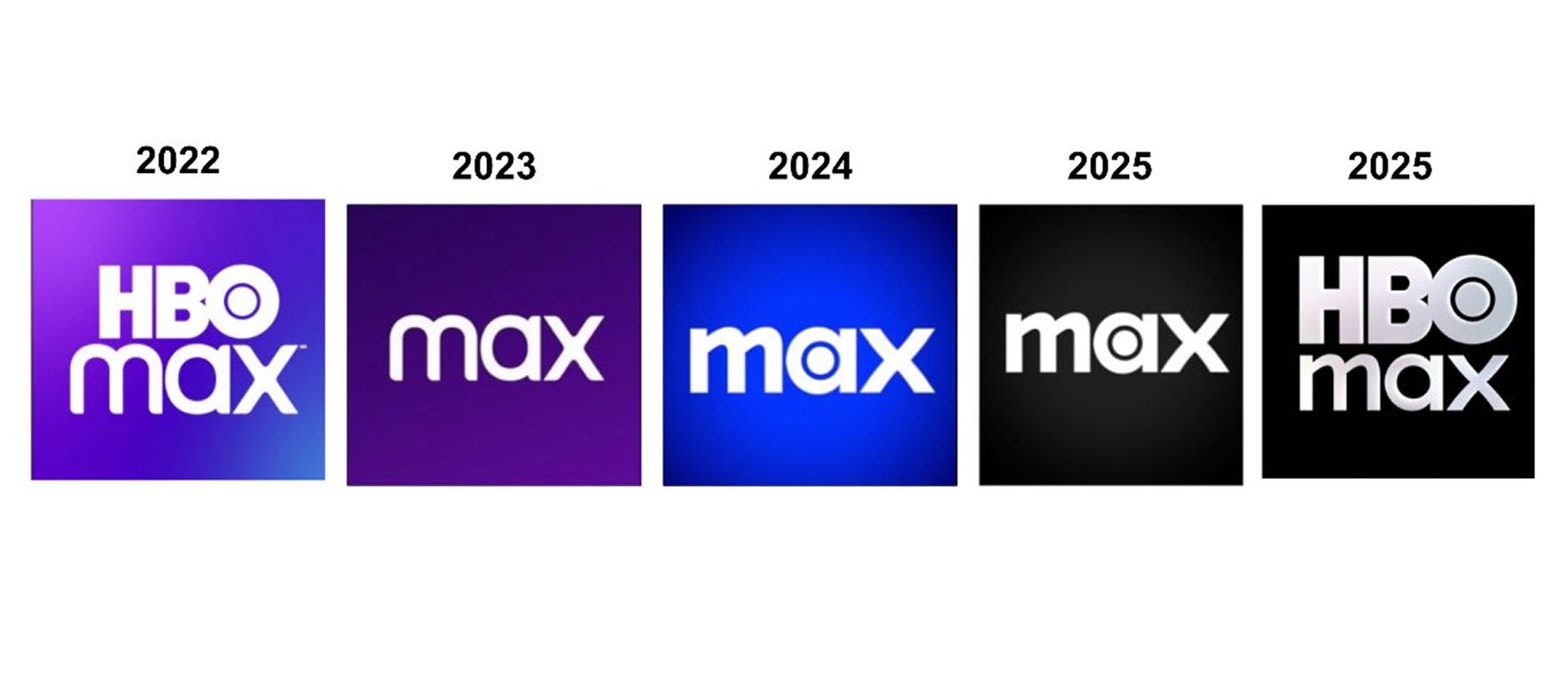
Culture’s perpetually shifting tides decide what we say, how we say it, and when. It turns out, this is not a super sustainable way of building brand equity, or making work of lasting value.
II. We’ve lost the plot
Being nimble is a superpower for brands, but only lands if you have a clear and strong set of values that ground that reflexivity. It's about being able to read the room, and connecting an honest belief system to a meaningful moment in time—linking what’s relevant today to what’s been true forever.
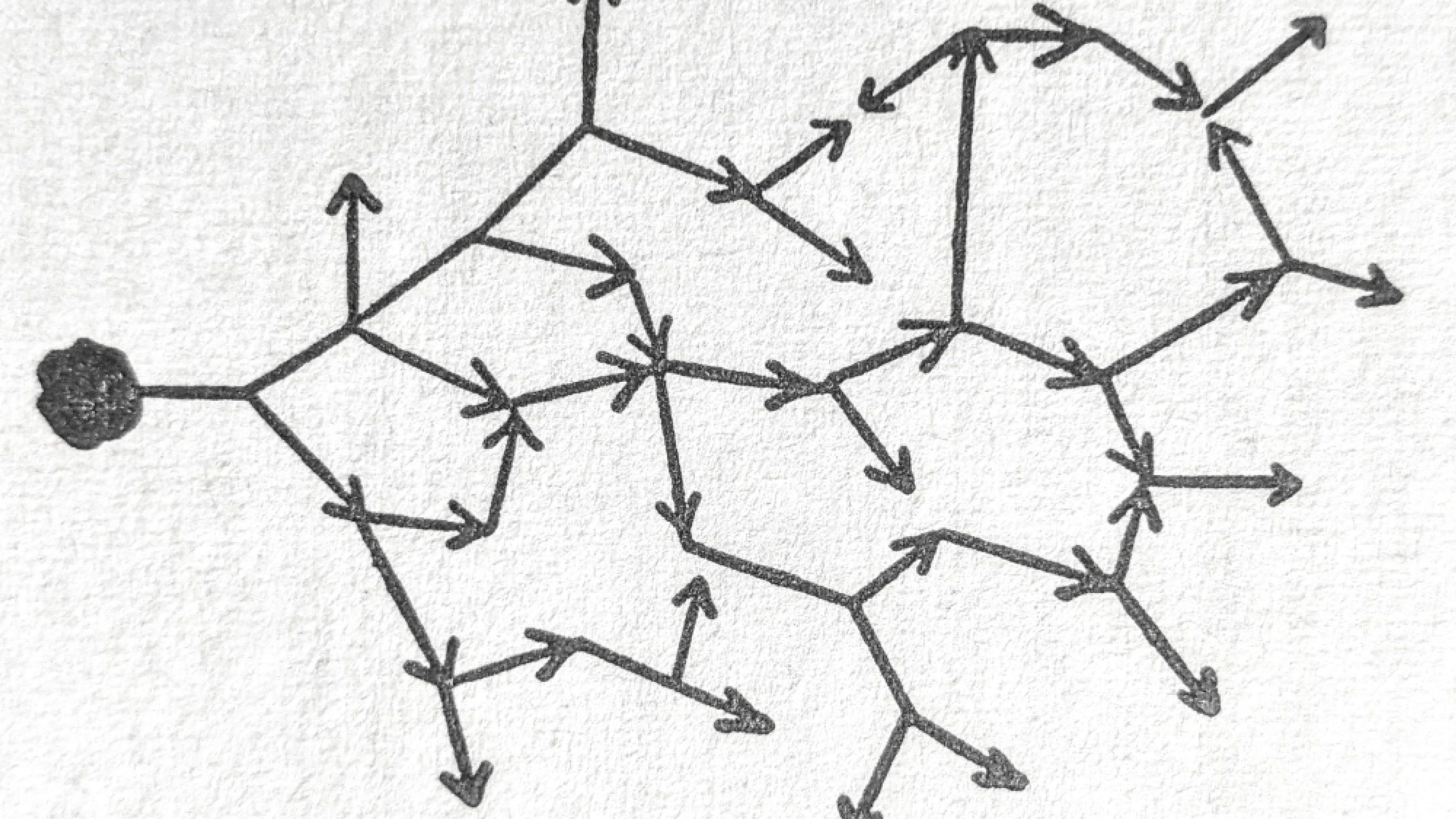
The classic startup philosophy of “fail fast” and performance marketing’s “test and iterate” playbook have become the antitheses to building equity in a set of beliefs or values.
You don’t need to hedge your bets on one idea when you can just play the numbers game. It’s why so much of today’s social strategy is to just “post more.” It doesn’t matter how many strikeouts you accumulate as long as one pitch leads to a home run.
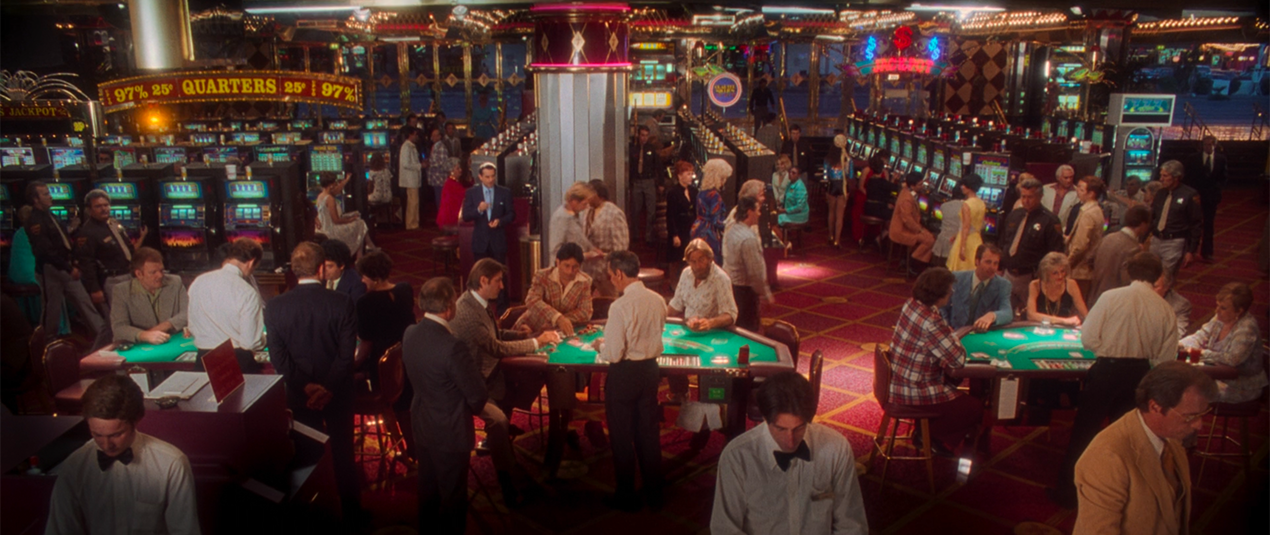
In reality, every fast fail, “post and see,” and A/B test runs the risk of taking us further away from our ultimate vision, not closer to it. It’s resigning our unique brand voice and perspective in favor of, basically, randomness. This admission is where the limits of our creativity end—where we allow our vision to be hijacked by what an algorithm deems as more successful.
Like anything else, A/B tests have their place in the world, but what if we didn’t throw the baby out with the bath water for everything? Key decisions around narrative, creative, or visual identity are brand-sacred—carrying an inherent risk as any new or distinct idea does. If we’re forfeiting that decision-making over to the whims of the algorithm, we’ve almost certainly lost the plot.
It remains true: Good ideas have no need to be A/B tested.
III. Commitment today
Commitment is not for the faint of heart. You can feel how tired someone like Jensen Huang is when he says that if he could start all over, he wouldn’t pursue Nvidia. As founders and builders of brands, commitment can be a herculean task. But as consumers and fans of brands, it’s what sticks out the most.
Take AriZona Iced Tea, a brand whose reputation has been staked on maximalist, quirked-up design and that good clean price of 99¢—a price the brand is so committed to, it’s printed right on the can.
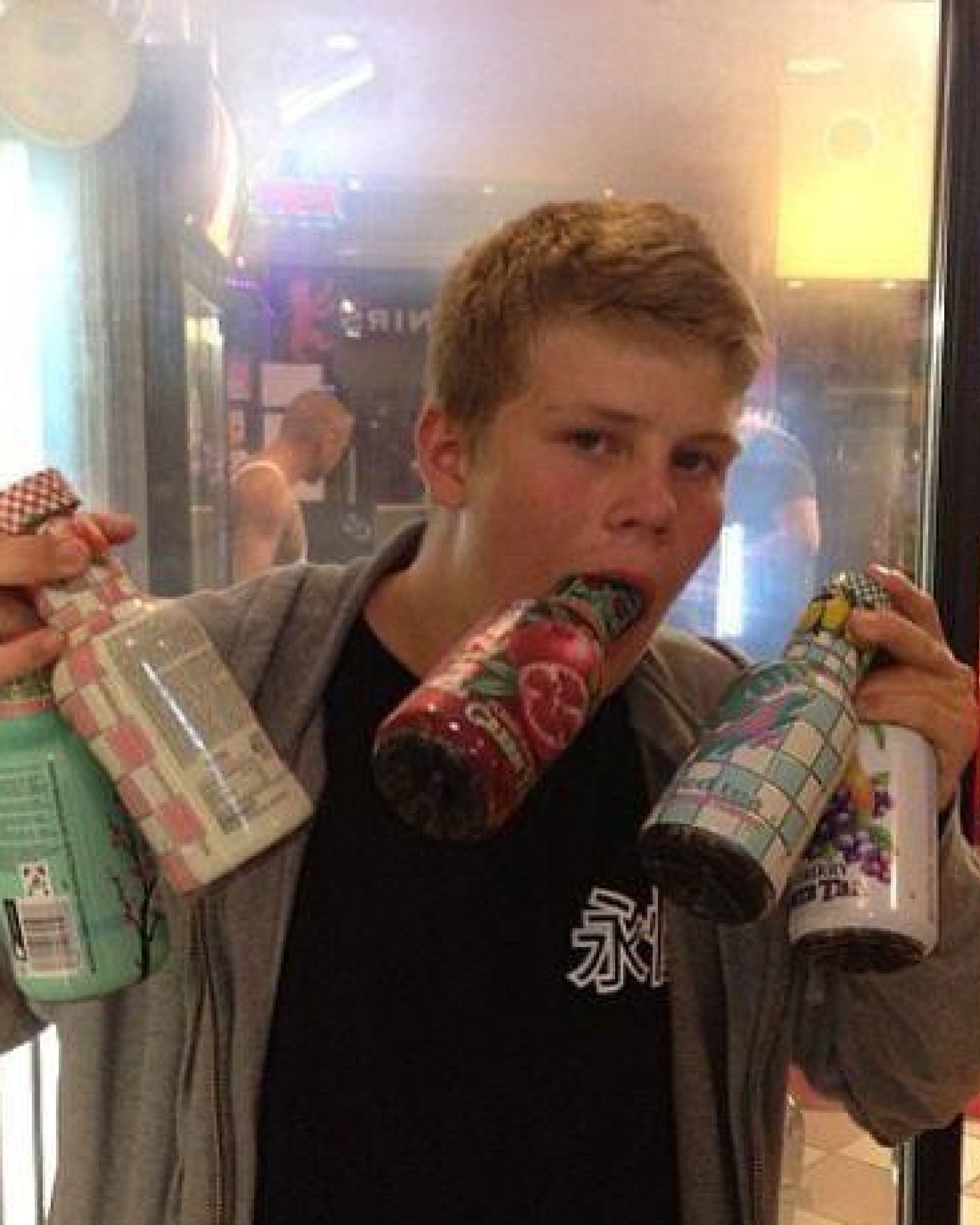
The commitment to staying affordable and staying cool became so deeply embedded into the business. And the willingness to sacrifice some margin to give customers a real sense of value—the feeling that they were getting more than they paid for—helped cultivate a cult audience of youth and skaters, creating the niche momentum that fed into and reinforced mass market appeal.
Besides commitment just making sense from a strategic POV, it also tends to foster more interesting experiences.
There’s something so confident and sexy about going to a restaurant and there being only one option on the menu. One beer. One red wine. One dessert. It’s about having a perspective. Instead of giving you anything you want, it’s about giving you what you need.
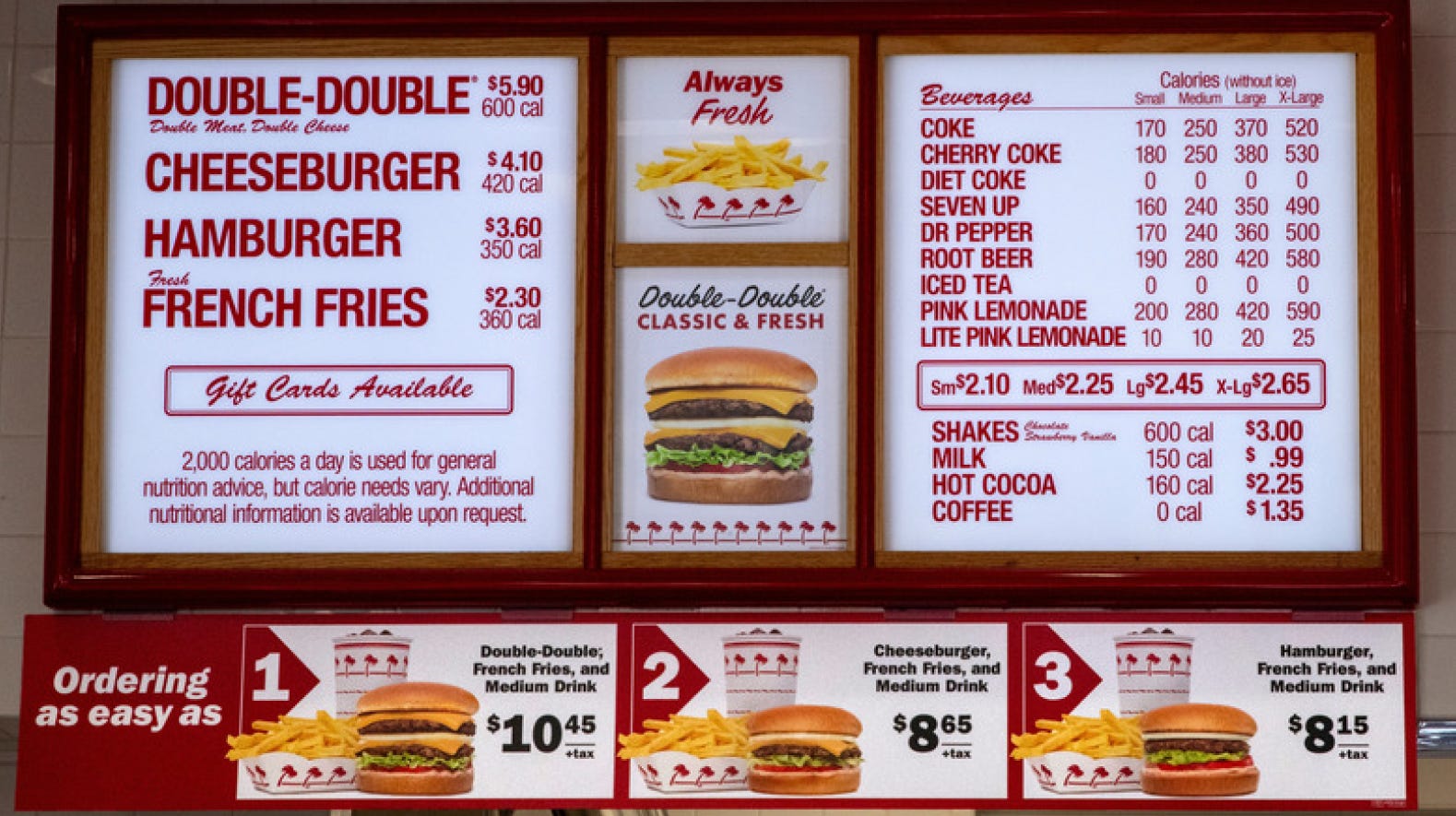
The CEO of Costco says he’ll never raise the price on that damn hotdog. Longaberger designed their corporate office in the same image of their flagship product offering. And Patagonia repeatedly makes decisions that hurt short-term sales to stay aligned with their values.
Brand commitment is multidimensional.

IV. Finding the one 💍
The impetus for writing this piece was a recent project with Bonnie Clyde, where commitment swirled our conversations during brand development.
The brand came to us with a pre-existing language of love and romance—huge, sweeping themes that are central to how they view themselves, but often too broad to make their own. Sharpening that language with a newfound sense of commitment was how the work came to life.
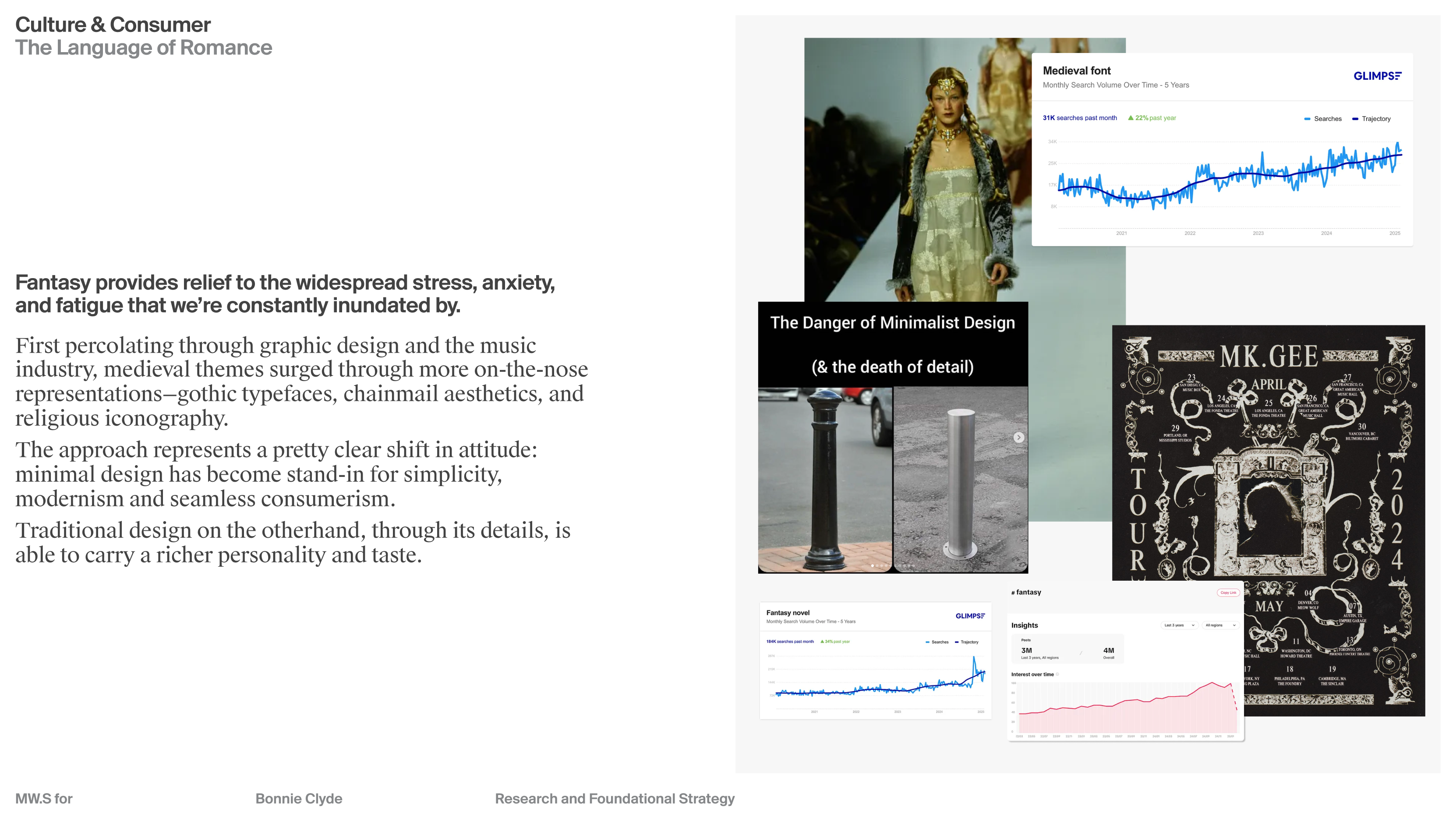
Themes of love, romance, and fantasy were already trending ideas when we took on the project. We noticed that these forces seemed to offer an antidote to austerity, and commonly show up in times of societal unrest and fatigue. But romance and fantasy don’t have to be dressed up in chainmail aesthetics and nordic influences (although we did have some fun doing some research).
Bonnie Clyde operates in a landscape where style, product quality, and price are largely undifferentiated across competitors. Ultimately what stands out here is the ability to resonate with an audience through storytelling. Once again this idea of reading the room.
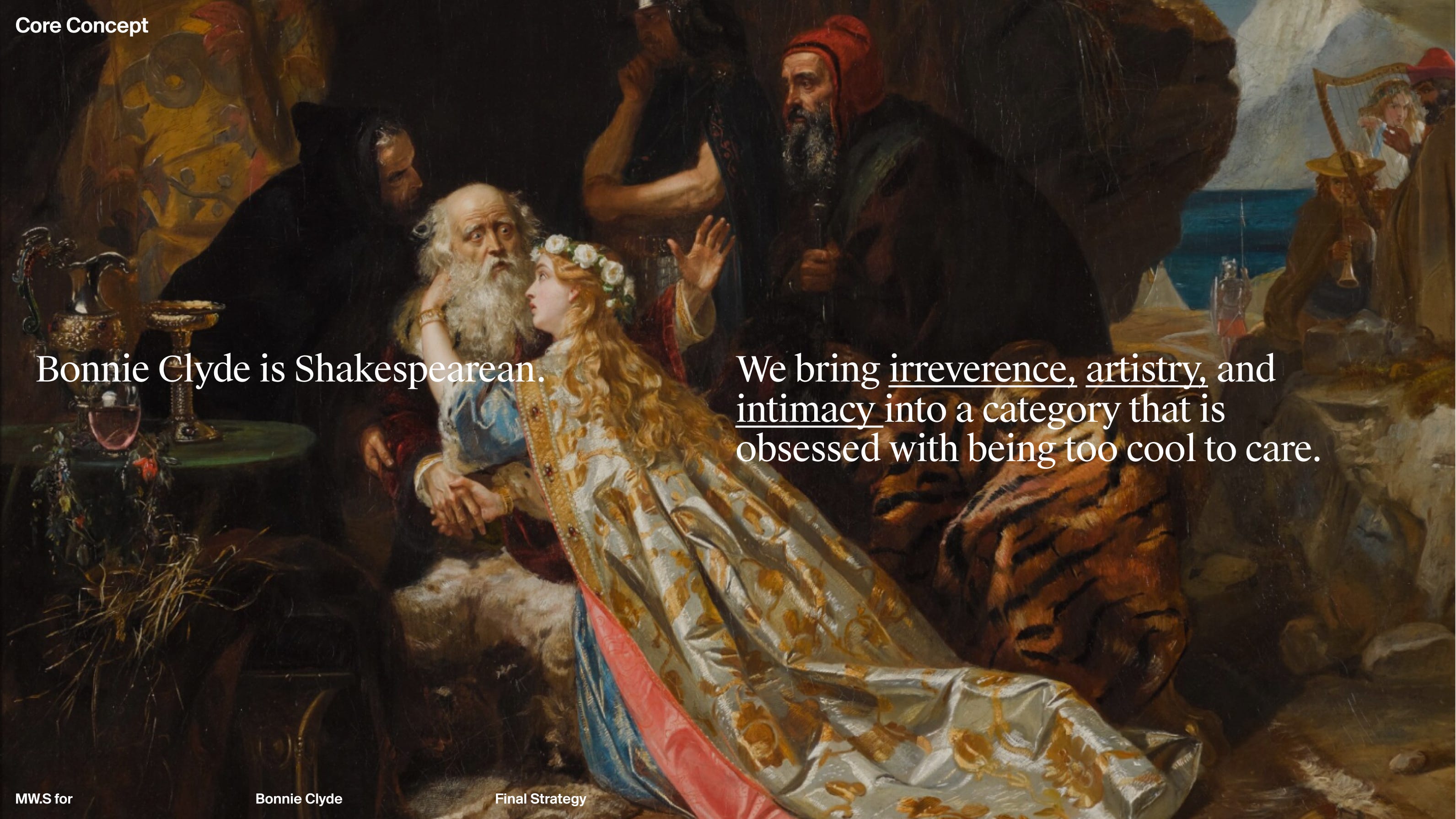
And what better storyteller of love and romance than Shakespeare?
So that’s what we did. And why not? A brand that is rooted in love and romance can look, sound, feel, and be anything. But a brand that moves with a Shakespearean devotion? There’s nuance there. Depth. And commitment.
This commitment gave way to a research and design language steeped in meaning and intrigue.
Typography inspired by Anglo-Saxon manuscripts. Color palettes calling upon Renaissance masterworks. An illustration family of scripts, cherubs, and familial crests. Even naming and brand messaging were pushed through this filter.
The Bonnie team wanted to find a way to work in the phrase “Live Laugh Love” into their brand. So we translated it into Latin, and paired it with several illustrations, one of the many easter eggs hidden throughout the brand world.
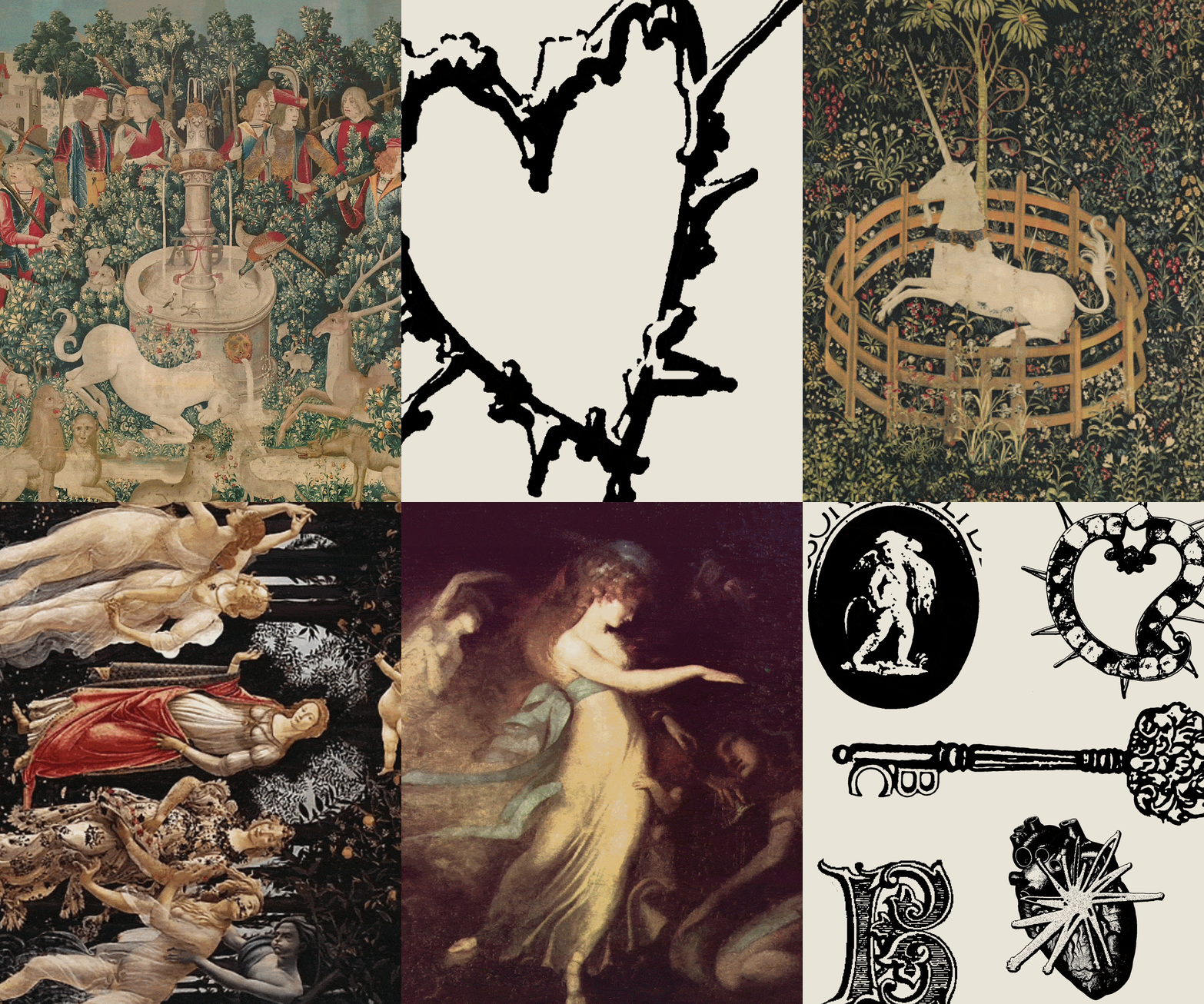
Throughout the design process, our team embarked on field trips to historic archives and letterpress museums to better understand the logic and reasoning behind this beautiful language of embellishments.
Much like anything else, there are levels to this commitment game. The stranger things get, the more real it becomes—from the people building the brand all the way to the consumer.
V. A binding vow
In writing this, I’m reminded of an essay Jack Kerouac published questioning whether writers are made or born. In it, he says:
“Five thousand writing class students who study “required reading” can put their hand to the legend of Faustus but only one Marlowe was born to do it in the way he did.”
This, to me, feels like the ultimate sign of commitment and conviction. That the things that stand out in our culture and society—literature, film, fashion, art, architecture, technology, comedy, music, activism—are all united by an innate sense of belief. In themselves, in others, in the world around them.
And to that end, nothing great has ever been made from a place of indifference.
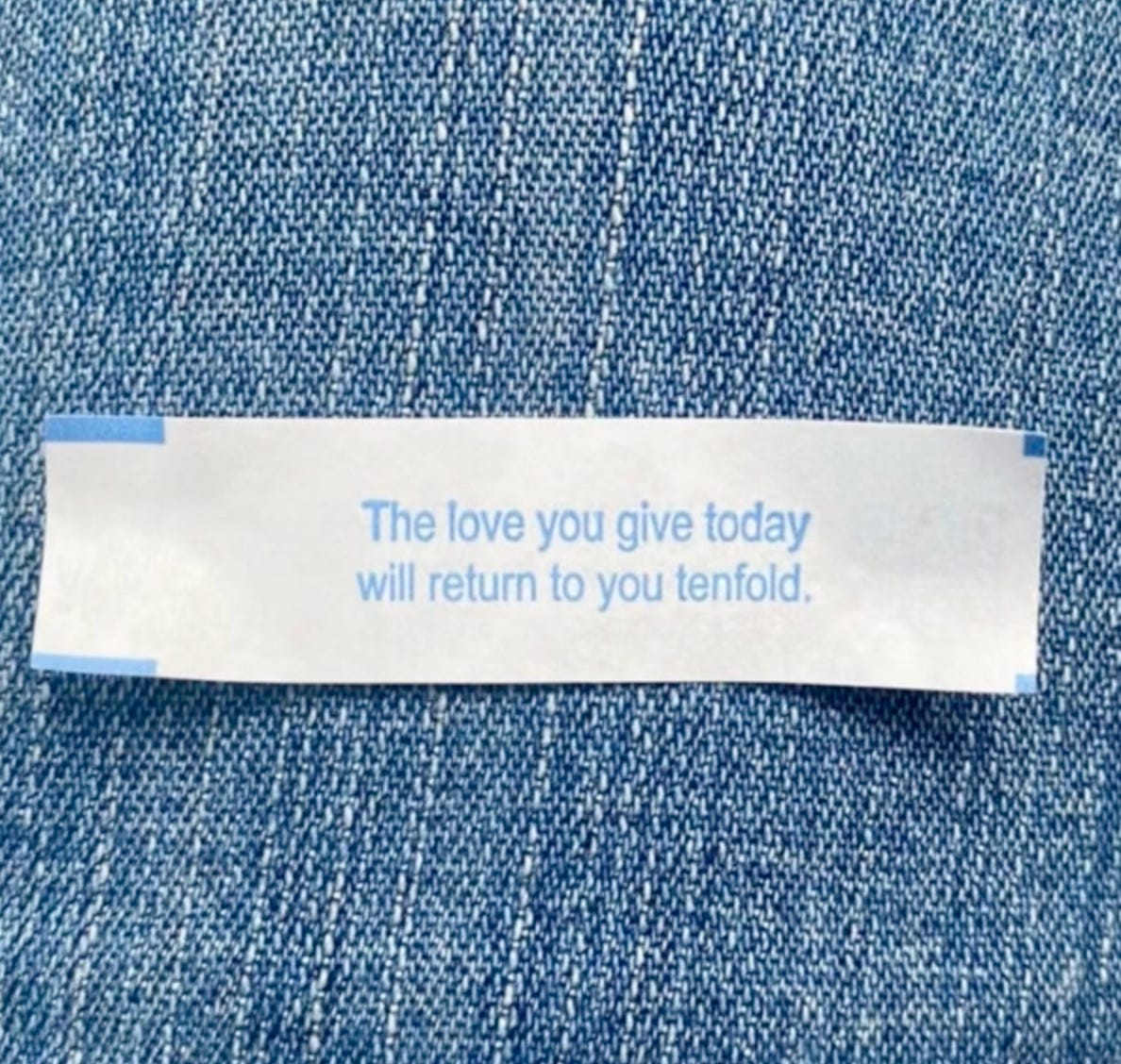
Commitment and devotion can be scary trails to navigate as a brand, especially as everything around us seems to grow faster, and more polarizing. But, really, what other option do we have?
If we’re not fully invested in what we’re preaching, how do we expect anyone else to begin to care? This has been true since the dawn of time and will only become more true from here.
The only question that remains is this:
To what shall thy be devoted?
Thanks for reading
Findings is a project by Mouthwash Studio, a design studio centered on new ideas and defining experiences. Learn more about what we’re doing with Findings here. In the archive, you’ll find all our work to date surrounding this project.
This publication is 100% free and is supported by your time and appreciation. If you liked reading this, please share it with somebody who you think might also enjoy it.
Is there something we should cover? Respond to this email or send us a message at findings@mouthwash.co to get in touch.
Love the peak behind the curtain of the MWS process. <3
this is my favorite one yet 💛