


Findings is a monthly newsletter on the influences and trends that are quietly shaping our culture by Mouthwash Studio. This post may be too long for email, read online for the best experience.
If this was forwarded to you, consider subscribing for future posts.
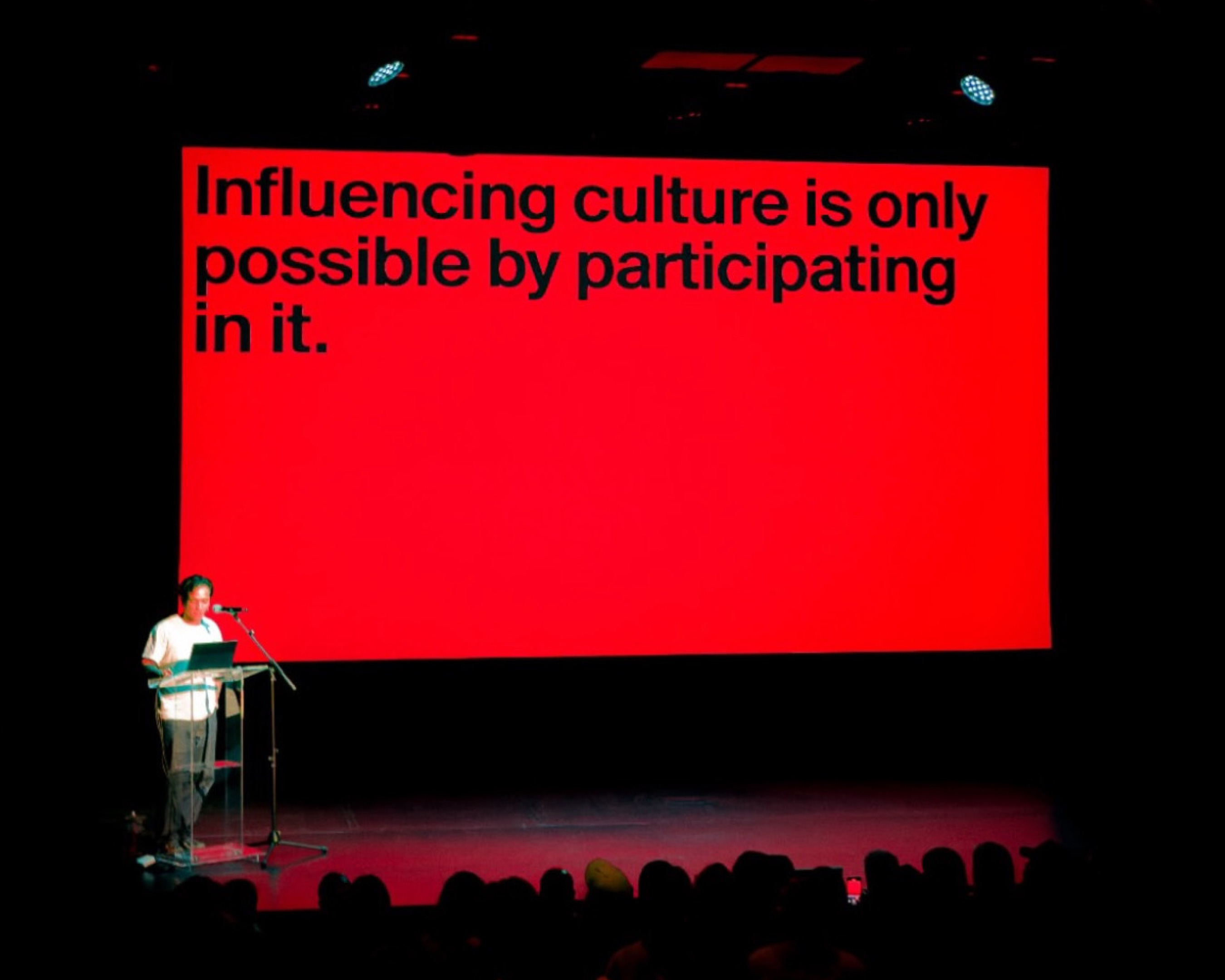
We’re coming off our busiest year yet, which seems to always be the case. But unlike previous years, we’ve decided to invest more in the act of speaking publicly at global design conferences, office hours, and talk events. I’ve always questioned how much it actually matters for creative minds to be able to speak about the work that they’re doing. Is it just good optics? Does it bring new business? Is it just an ego boost?
As we’ve stepped up to the podium over and over again, and as I’ve retrospectively looked at some of the studio’s biggest turning points in the last 6.5 years, it has become clear that ideas move when people listen. Listening is how ideas travel beyond the studio, beyond the slide decks, and beyond a small group of people who already understand. Listening is the mechanism that turns private thinking into public momentum.
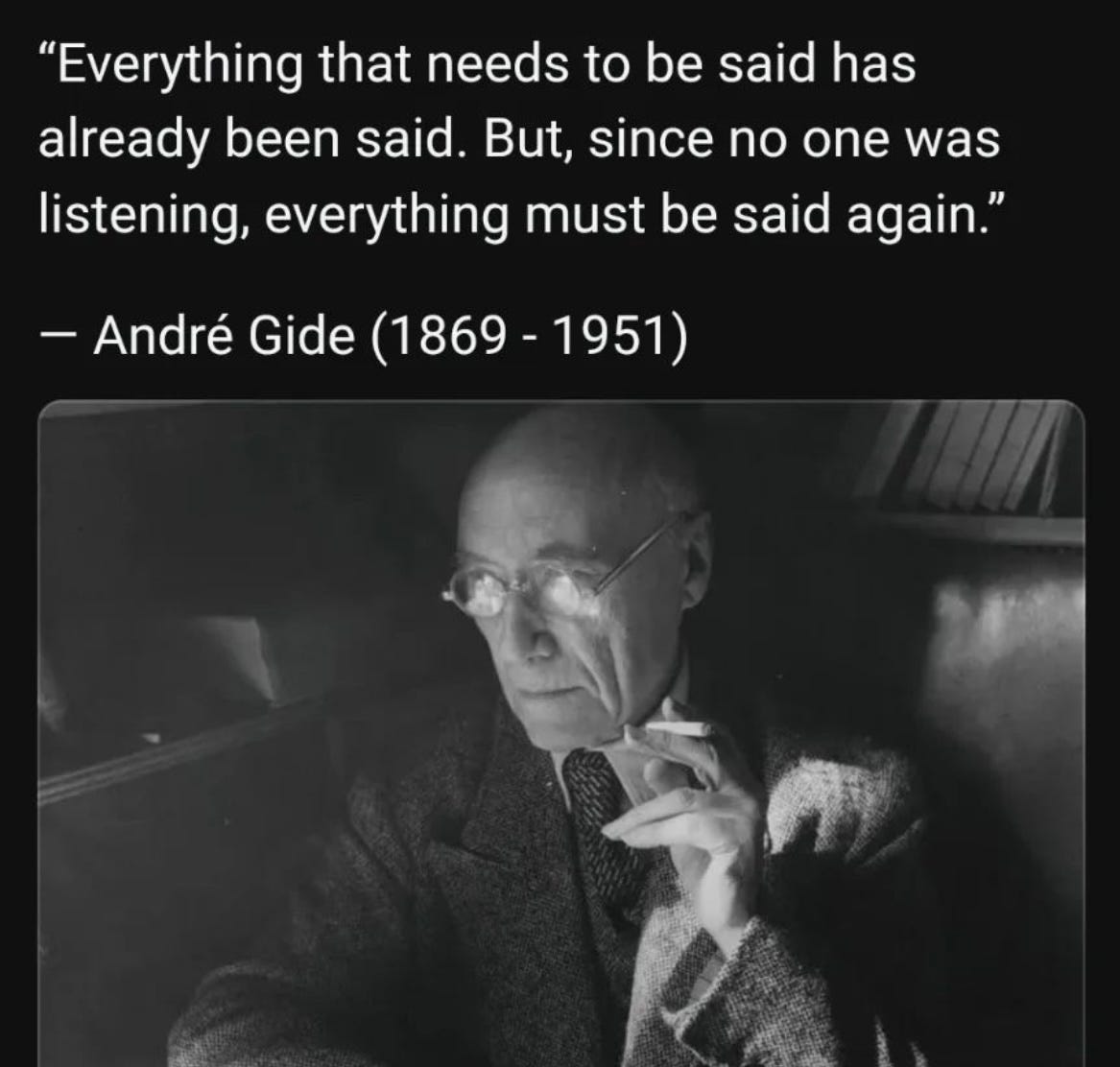
The world has never been short on good ideas. So where do they go? How do we create the conditions for people to hear more clearly? And what happens when they do?
Brilliant thinkers have shared their work in closed rooms for centuries. Professors at universities have held the keys to information and the permission to interpret it. And researchers publish insights few people outside their field could decipher. Access has always been an issue, but not the only one.
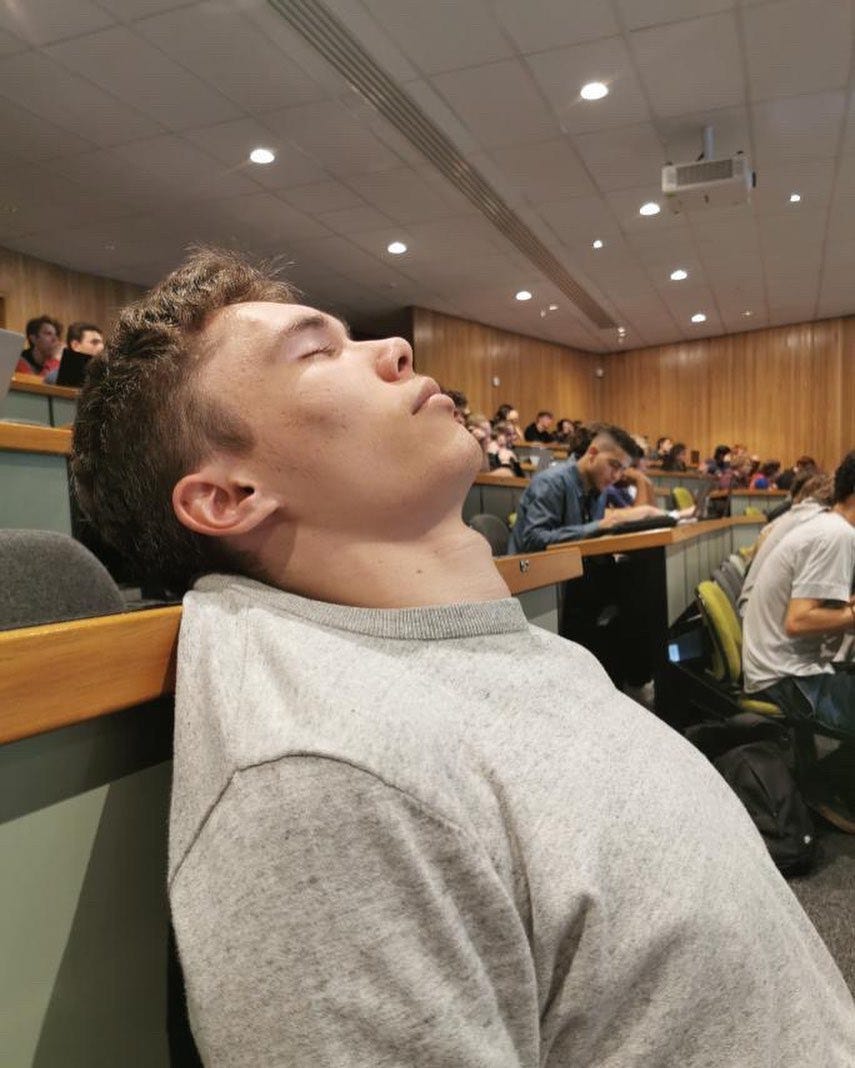
Even as technology opens every door, many of the world’s best ideas are still stuck in silos—trapped in formats, spaces, and traditions that were never designed to make people care. Nobody should be physically able to fall asleep in a lecture hall with overhead fluorescent lighting, but they certainly do. Somebody at the University of Canterbury started an account that proves it.
In the early ’80s, an American architect decided to do something about it. Richard Saul Wurman identified that the problem wasn’t a lack of intelligence or interest, but delivery. So he created a stage that forced clarity, and what we now know as TED.
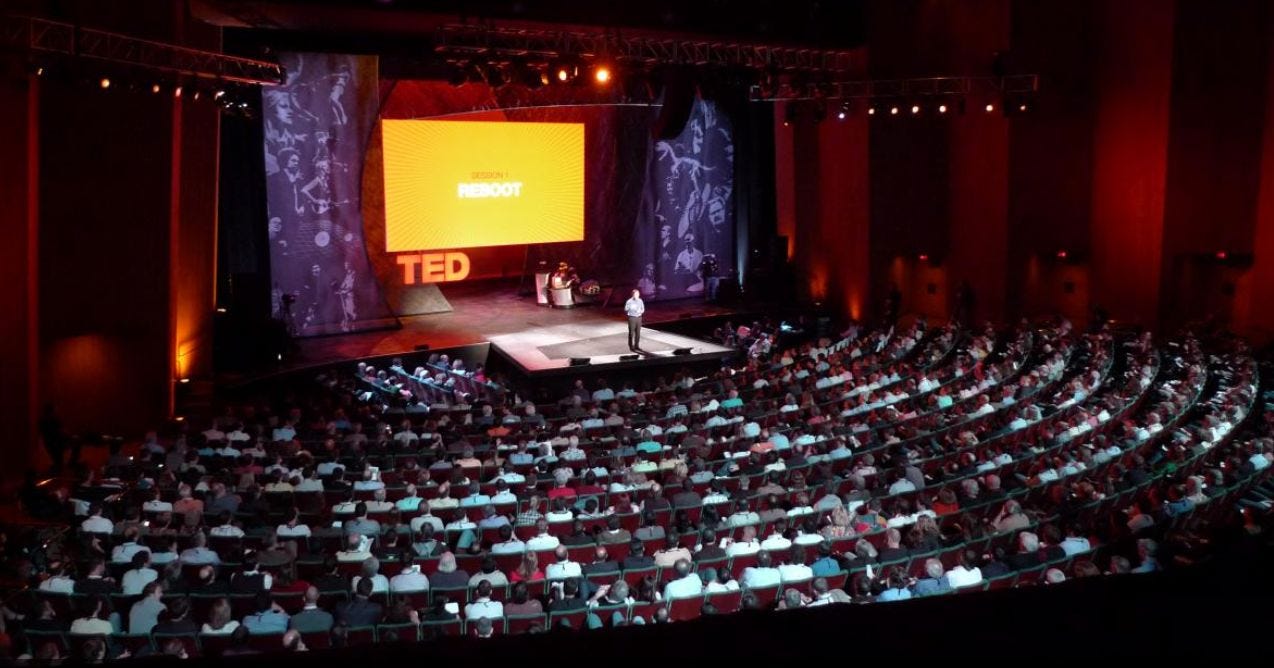
Eighteen minutes. Experience-led. Free of academic rituals. A space where technology, entertainment, and design collided in ways that made the complex suddenly graspable.
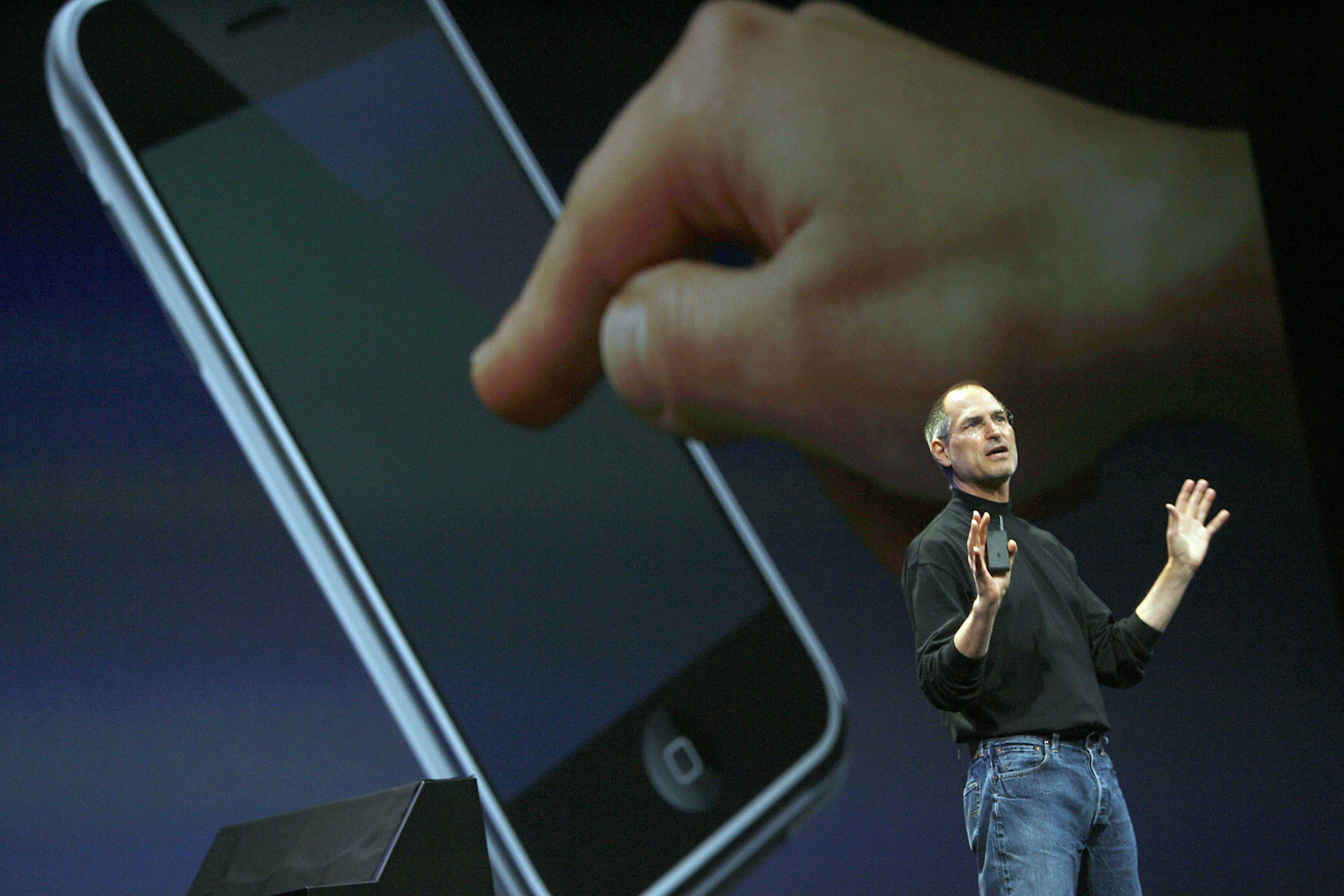
The invention of this format has made way for some of the world’s most prolific speakers to shine, both in and outside of TED. Jobs turned product announcements into stories with emotional stakes. Brené Brown transformed academic research into human connection. Bryan Stevenson made justice feel personal, not abstract. Paula Scher inspired creative minds to do what they’ve never done before. Across each of these deliveries are different fields and different styles, but the same underlying craft of communicating with conviction.
Earlier this year, I watched Creative Director Liza Enebeis hold the attention of 500 designers from across the globe. Through motion, sound, and visual, she built an environment where the magnitude of Studio Dumbar’s 50-year legacy became something you could feel in the room. And at the same time, it was delivered with a lightness led by humor, relatability, and trust—all of which made the studio’s accomplishments feel within arm’s reach. She’s known for doing this, and it doesn’t feel like a stretch to say that her ability to move a room directly translates to her ability to sell big ideas, rally a team, or guide a vision forward.
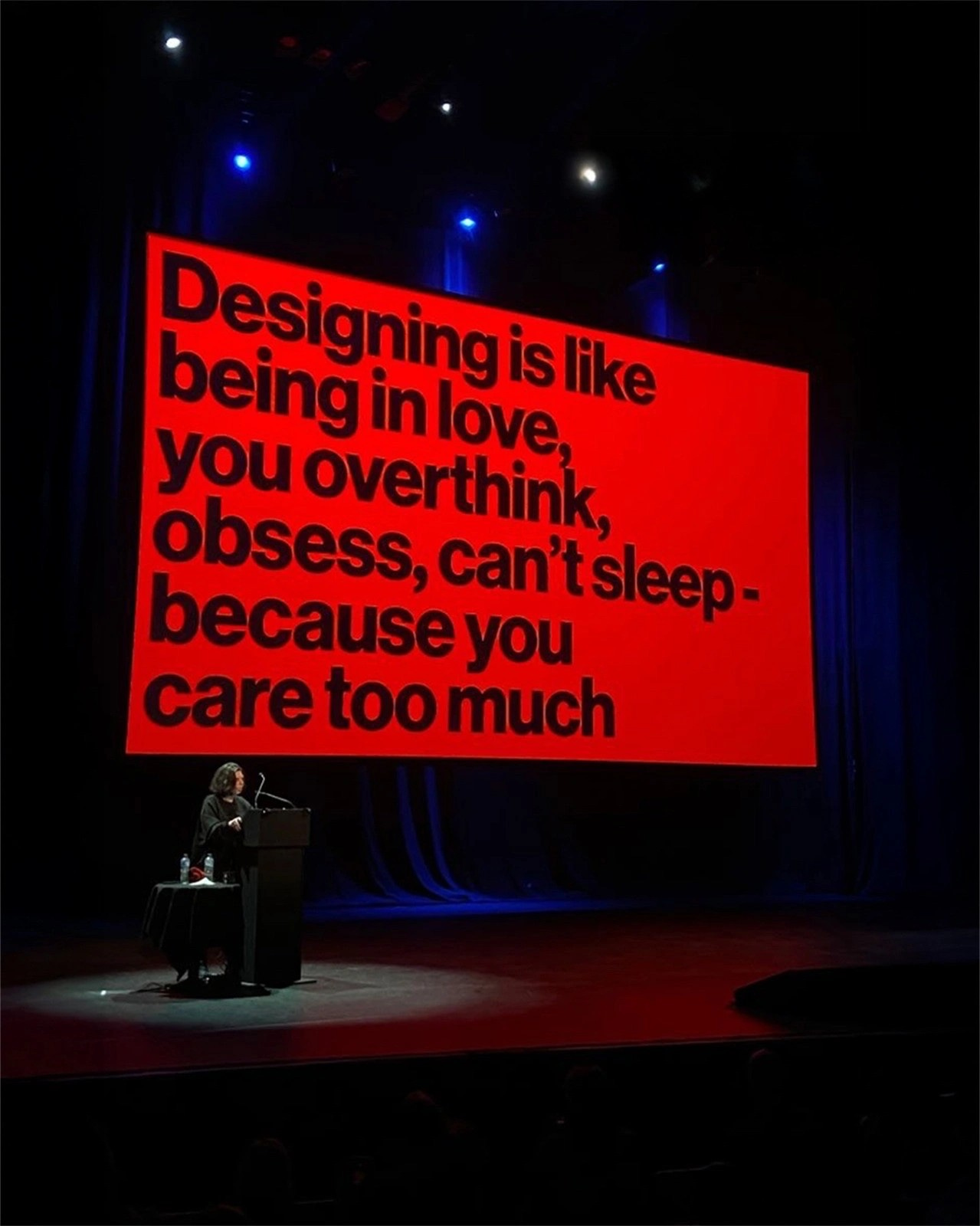
I sent Liza a message asking what she feels makes for a great talk, where she responded with,
“I guess for me I am captivated when people speak from their heart—passionate, humble and real. Not selling anything, not reciting lines, just being genuine.”
We assume people listen to someone talk if the résumé, awards, or reputation is impressive enough. But if anything, achievement can create distance. The more time we spend on stages, the more I realize how little any of that matters in the moment. Attention is fragile, and it has almost nothing to do with credentials. It has everything to do with whether you’ve designed an environment where people can actually listen. A talk either brings the room with you, or it doesn’t.
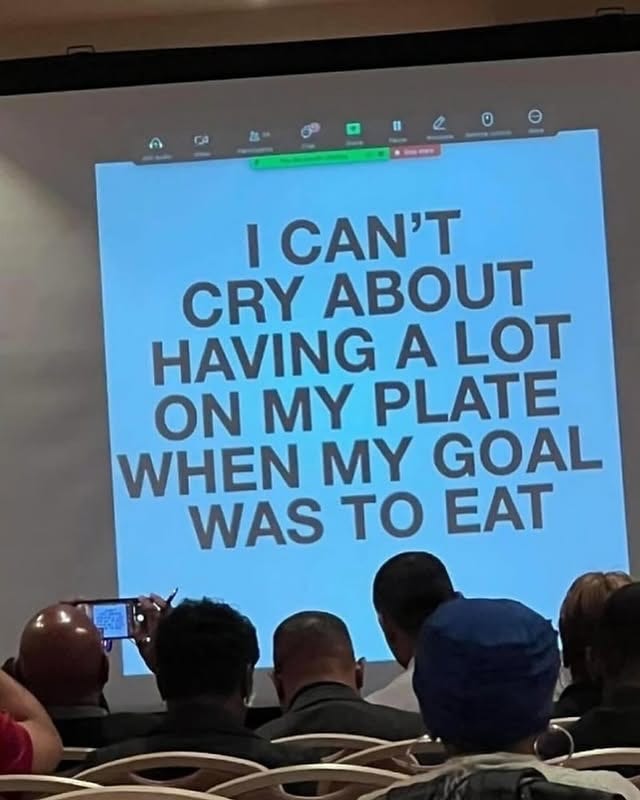
Communication is a design problem. And when it’s our turn to speak, we’re never just sharing our work—we’re shaping the experience around it. We’re making decisions about what to reveal, what to remove, and how to give people enough clarity to follow us from one idea to the next—making listening feel like the most natural thing in the room.
The pattern is everywhere. The pitch that lands. The workshop that clicks. The project kickoff where the team walks out aligned rather than confused. None of those moments hinge on the brilliance of the idea alone, but rather the conditions that surround it.
In our short time speaking, we’ve recognized that the best speakers aren’t performing. They’re focused on what’s true and resonant in the moment.
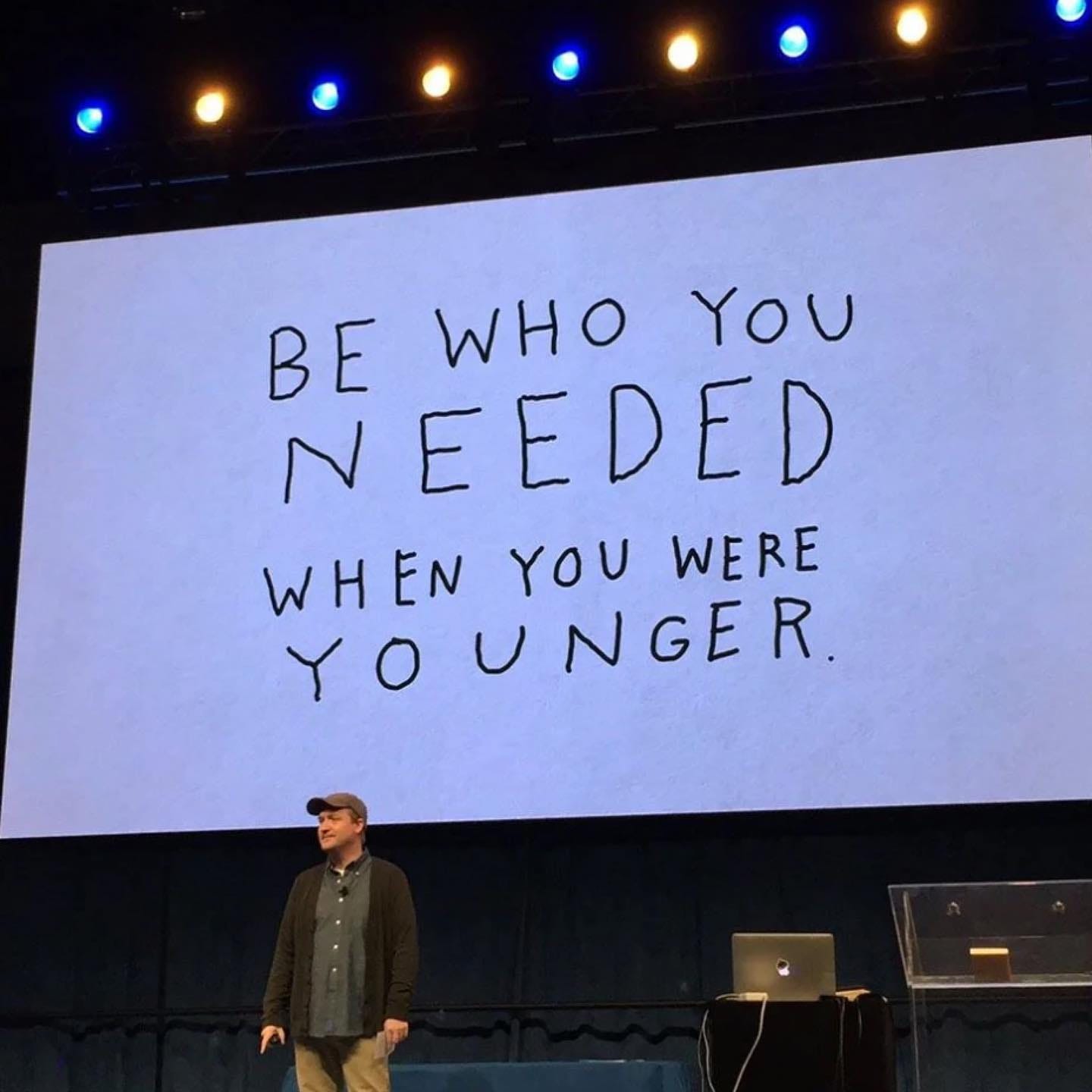
And that’s the real work. Not just having ideas, but shaping the environment for them to land. When we design that space with intention, people listen. And when people listen, things change.
If we want our ideas to live beyond the confines of our studios, we have to design the way they’re shared with the same intention we bring to the work itself. Not because public speaking is the goal, but because clear communication is how ideas enter culture.
Ideas shape the world only when they’re heard.
And shaping that moment is part of the job.
Thanks for reading
Findings is a project by Mouthwash Studio, a design studio centered on new ideas and defining experiences. Learn more about what we’re doing with Findings here. In the archive, you’ll find all our work to date surrounding this project.
This publication is 100% free and is supported by your time and appreciation. If you liked reading this, please share it with somebody who you think might also enjoy it.
Is there something we should cover? Respond to this email or send us a message at findings@mouthwash.co to get in touch.
“We assume people listen to someone talk if the résumé, awards, or reputation is impressive enough. But if anything, achievement can create distance.”
This is great insight. The ability to hold someone’s attention and actually communicate ideas is a completely different skill from having good ones. Great read!
Have really been feeling this idea that communication is a design problem! Been working through similar things building group happenings in LA as well as producing shows/speaking gigs! Excited to hear more about what design possibilities there are for more magnetic communication!