

Findings is a monthly newsletter on the influences and trends that are quietly shaping our culture by Mouthwash Studio. This post may be too long for email, read online for the best experience.
If this was forwarded to you, consider subscribing for future posts.
I. THE NEW GOLD RUSH
In 1919, a young shipping clerk named Earl Lambeau approached his employer with an unusual request. He wanted $500 to start a football team.
The Indian Packing Company agreed, on the condition that the team carry its name. More than a century later, the Green Bay Packers are one of the most recognizable names in American sport, with an estimated value approaching $7 billion.
Not bad for $500 and a few football jerseys.

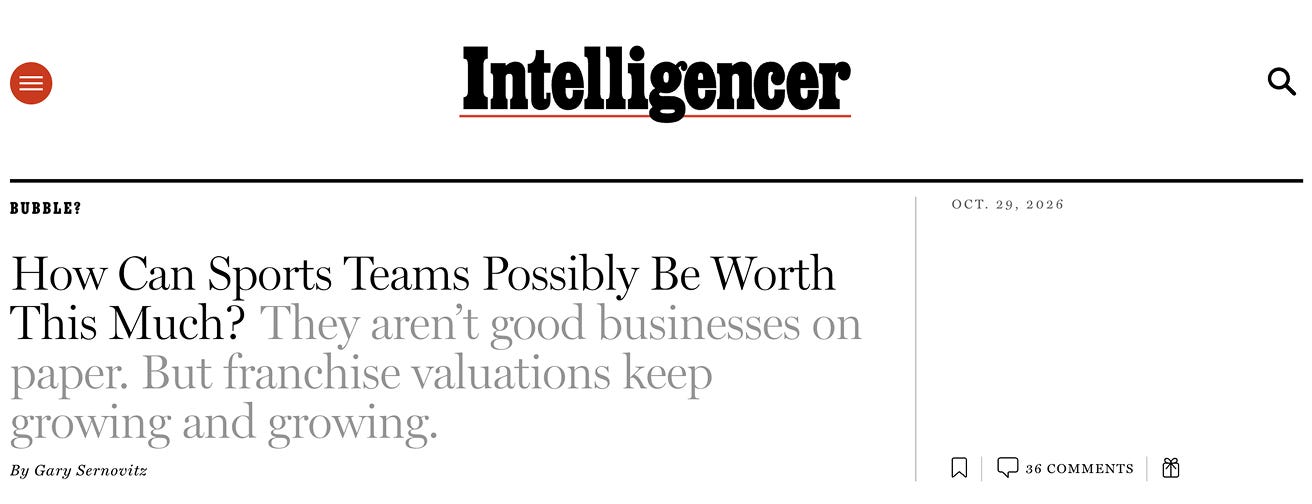
These days, the price of owning a professional sports franchise has become a spectacle in its own right. The Los Angeles Lakers recently sold in a deal valuing the team at $12.5 billion. The Seattle Seahawks changed hands for $9.6 billion. And the New York Knicks and Rangers are estimated to be worth a combined $16.6 billion.
Plenty has already been written about why these clubs command such sums. Franchises are scarce, broadcasting rights are worth billions, and owning a sports team offers the world’s wealthiest people a rare combination of prestige, cultural relevance and soft power.
Live sport also remains one of the last bastions of appointment television. In an age of fractured attention and endless on-demand entertainment options, millions still organize their schedules around catching a game. And that kind of attention is worth a fortune.
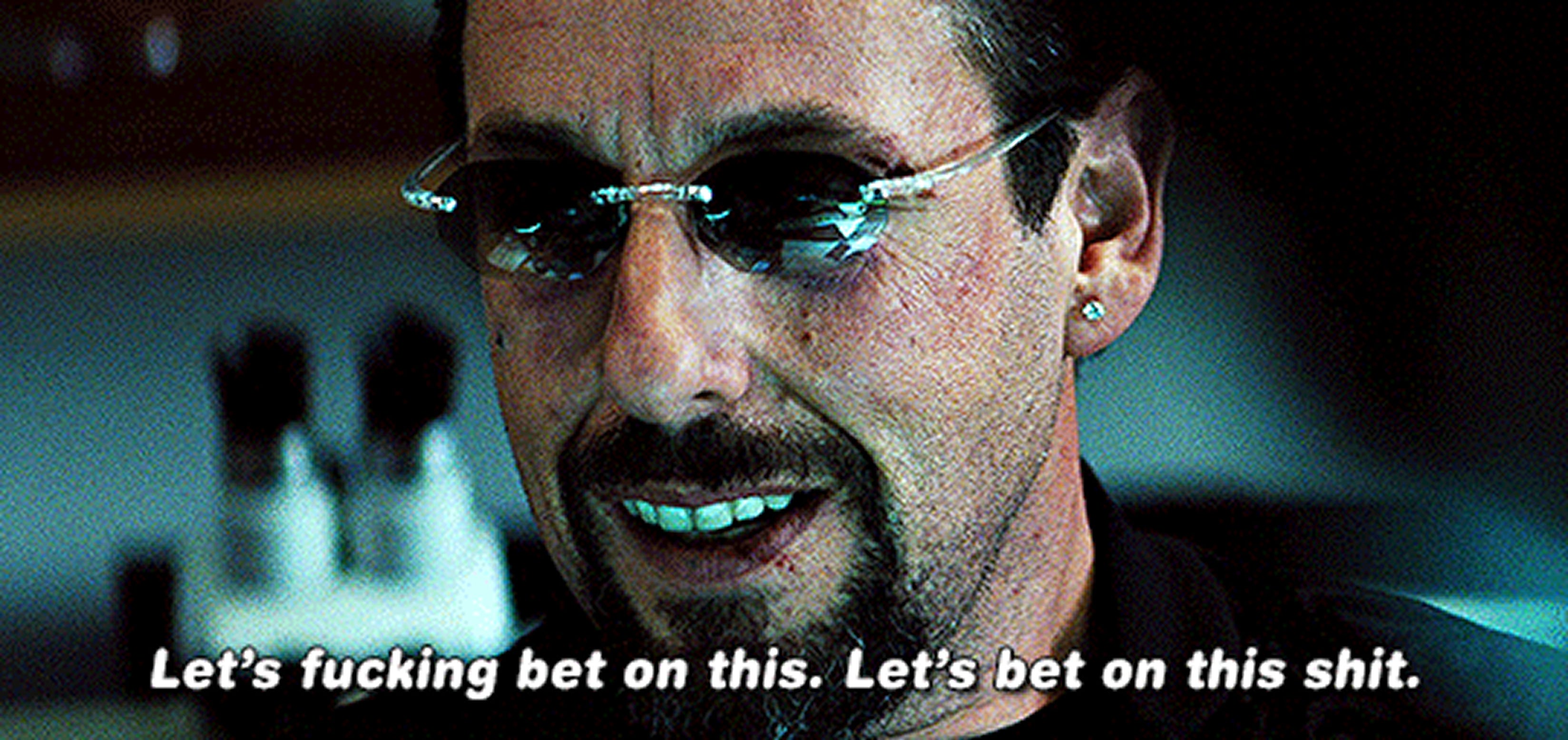
Online sports betting brings another lucrative, if deeply problematic, dimension. Even people who couldn’t name a single player now have a financial interest in watching every minute.
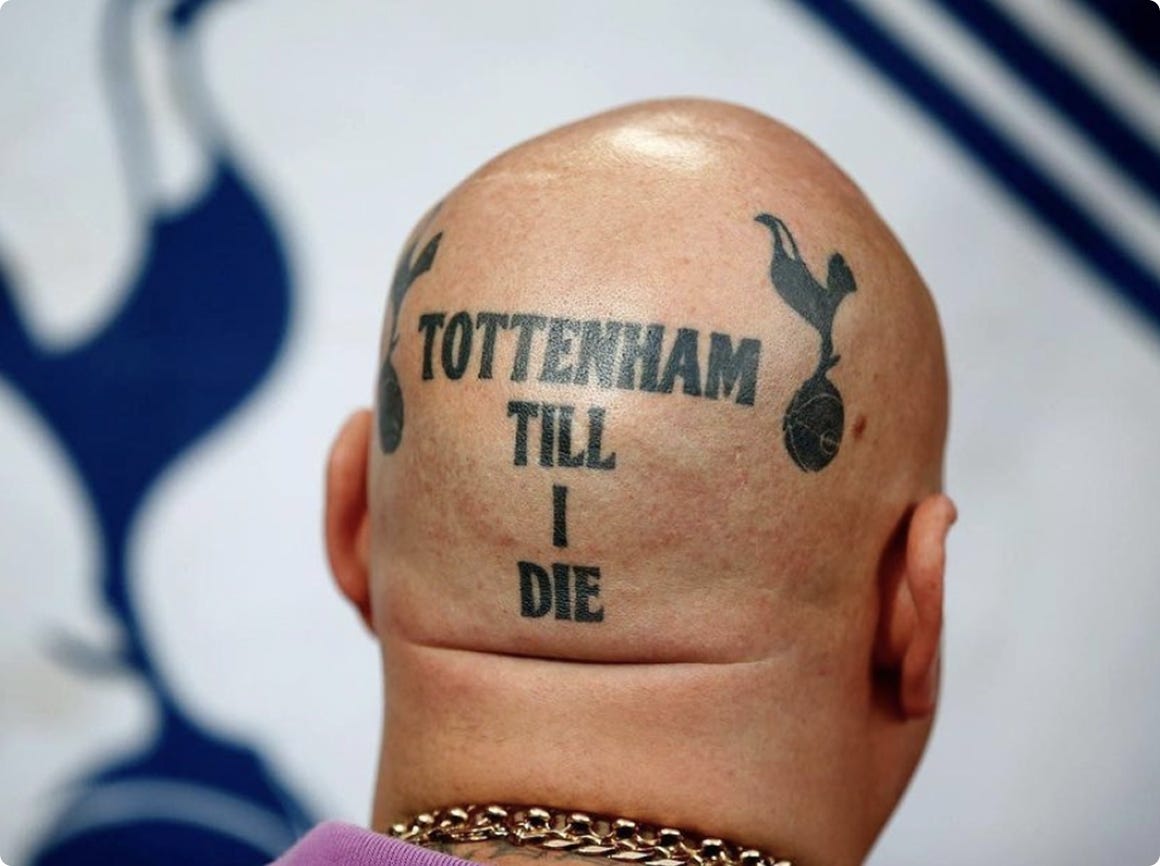
And then there’s AI. As technology makes content cheaper and easier to produce, investors are taking a closer look at IRL experiences that can’t be generated. A sold out stadium, a last-minute buzzer-beater, the particular misery of supporting Tottenham Hotspur.
Some things are difficult to replicate.
Yet beneath all the financial speculation is something harder to put a price on: the relationship between a team and the people who love it.
Because nobody is born caring about a sports team. Somewhere along the way, we learn to love one.
II. MORE THAN A GAME
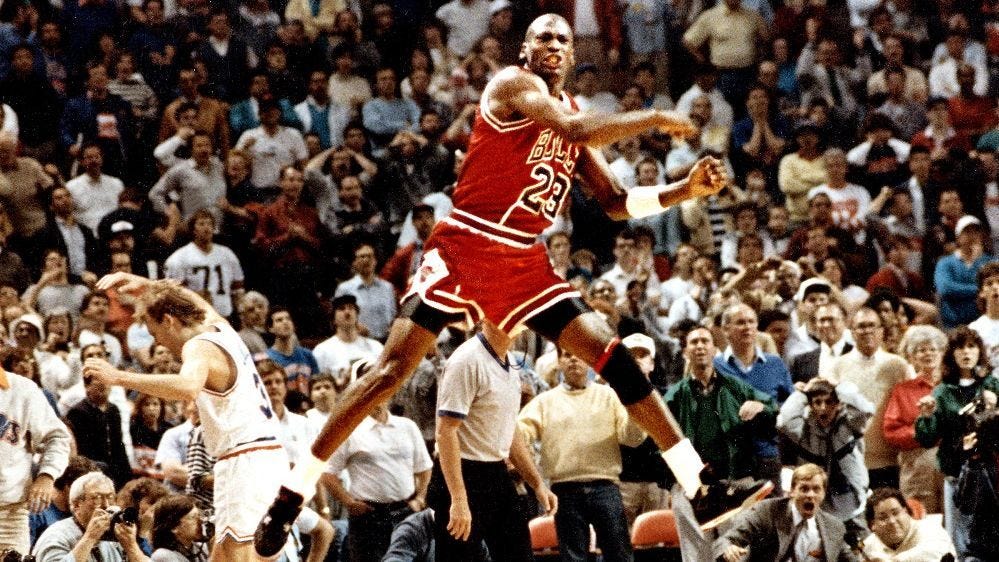
In 1887, an Irish Catholic brother named Andrew Kerins was trying to find a way to feed the poor in Glasgow’s East End. Known as Brother Walfrid, he’d spent years working with the city’s growing Irish immigrant population, many of whom faced poverty and prejudice.
His solution was to start a soccer club. He called it Celtic.
A few hundred miles south, another team had emerged from the Lancashire and Yorkshire Railway’s carriage works in Newton Heath. Founded in 1878 to encourage the physical and moral wellbeing of railway workers, the club played in green and gold before becoming Manchester United in 1902 and adopting its famous red shirts.
Churches, factories and railway companies helped establish some of the world’s biggest soccer clubs. They provided the organization, the resources and the communities from which these teams first emerged.
As the game grew, those early connections took on a life of their own. Celtic’s Irish Catholic roots became entwined with Glasgow’s wider religious and cultural divisions, particularly through its rivalry with Rangers. In Spain, FC Barcelona developed into a powerful symbol of Catalan identity, while Athletic Club Bilbao reinforced its Basque heritage through a distinctive recruitment philosophy that endures to this day.
Across the Atlantic, the Montréal Canadiens came to represent French-Canadian identity. Meanwhile, the Green Bay Packers developed an unusual relationship with their hometown. The NFL’s only publicly owned, nonprofit franchise now has hundreds of thousands of shareholders in a city of just over 100,000 people.
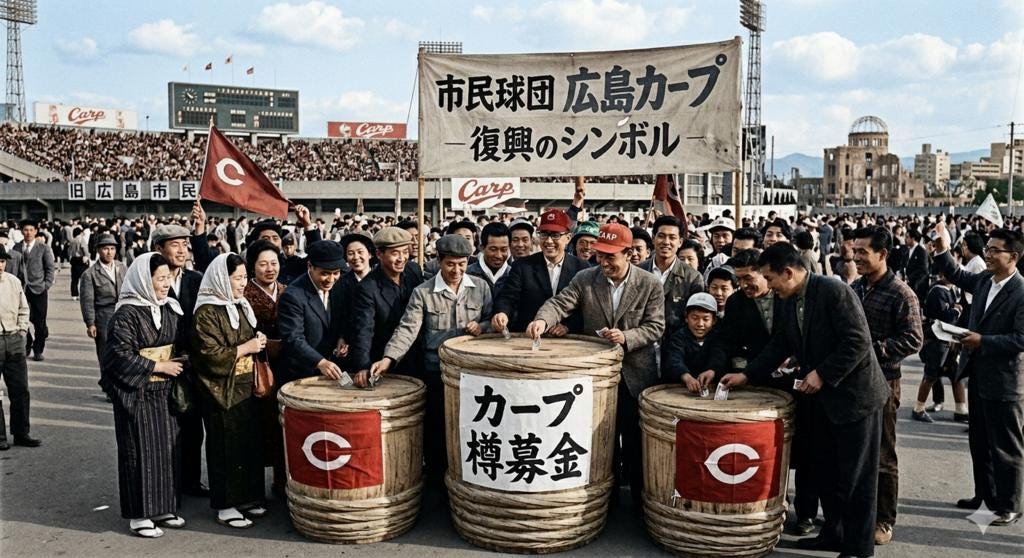
And in Japan, the Hiroshima Toyo Carp became part of a city’s recovery. Founded in 1949, just four years after the atomic bombing, the baseball team gave residents something to rally around as Hiroshima rebuilt. When financial difficulties threatened the club’s survival, local supporters contributed donations to keep it alive.
A club could stand for the factory you worked in, the neighborhood you grew up in, the language you spoke or the country your grandparents had left behind. And the longer these relationships endured, the more difficult it became to separate the teams from the people and places they represented.
Celtic became part of Glasgow’s Irish Catholic identity. The Canadiens became a symbol of French-speaking Canada. The Carp became part of Hiroshima’s story of recovery.
What began as local sporting organizations became part of the way entire communities understood themselves.
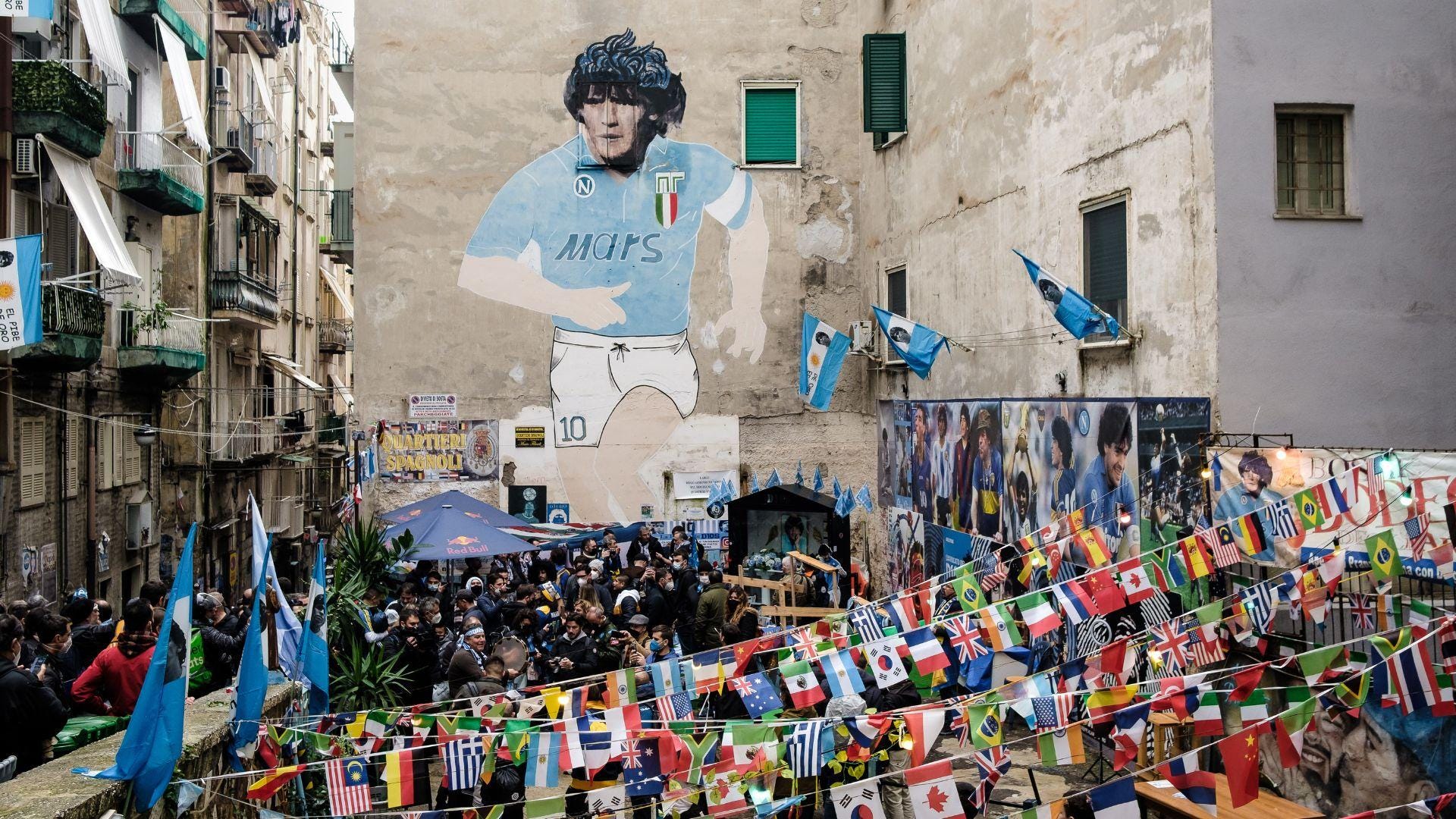
III. THE MAKING OF A MYTHOLOGY
In 1940, the Pittsburgh Pirates decided they needed a new name.
The city’s professional football team had spent seven seasons borrowing the identity of its baseball counterpart, but owner Art Rooney decided it was time for something of their own. A newspaper competition invited supporters to suggest alternatives.
The winning entry was the Steelers. Pittsburgh made steel. Its football team would be named after it. Job done.
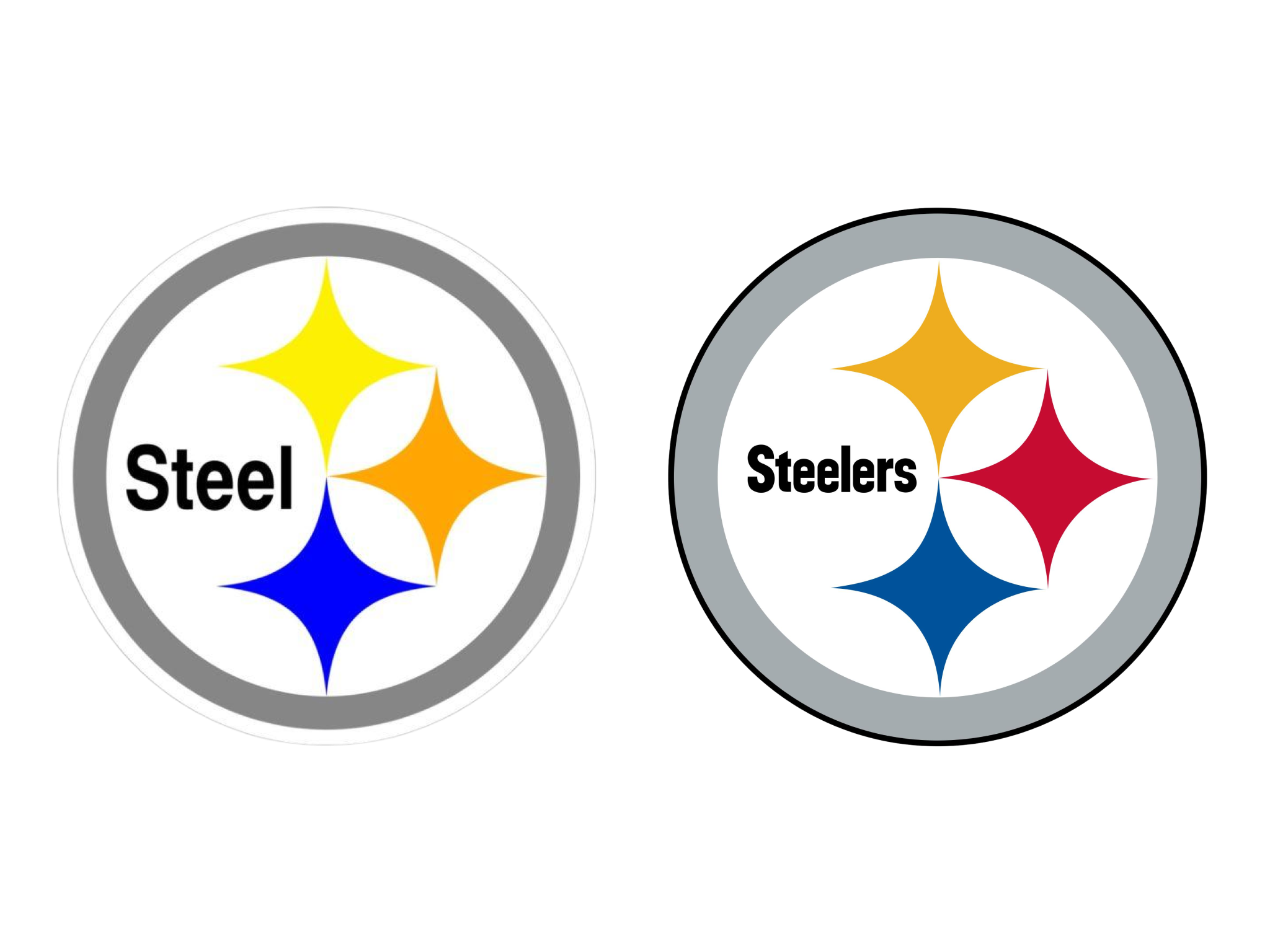
Today, the Steelers’ three colored diamonds are among the most recognizable symbols in American sport. Borrowed from the steel industry’s own insignia, the logo was originally a reference to the city’s principal occupation. Decades of championships, rivalries and famous players have since given it a life of its own.
The New York Knicks were named after a figure associated with the city’s Dutch colonial past. The Brooklyn Dodgers took their name from pedestrians dodging trolley cars. And the Utah Jazz are still called the Jazz, despite having relocated from New Orleans in 1979.
It’s a name that made much more sense in New Orleans. But after nearly half a century in Salt Lake City, it would probably feel stranger to change it.
Sporting history has a way of turning arbitrary decisions into sacred traditions. And occasionally, those traditions find an entirely new purpose.
In 2010, Manchester United supporters began arriving at Old Trafford wearing green-and-gold scarves. The colors belonged to Newton Heath, the railway workers’ team from which United had emerged more than a century earlier.
Now they were being worn in protest against the club’s American owners, the Glazer family, whose controversial takeover had saddled United with substantial debt. The campaign’s message was simple: Green and gold till the club is sold.
After a Champions League match against AC Milan, David Beckham, the former United player appearing on loan for the Italian side, picked up one of the scarves and draped it around his neck. The image became an iconic moment of the protest, sparking debate over whether Beckham had deliberately sent a message to the club’s owners.
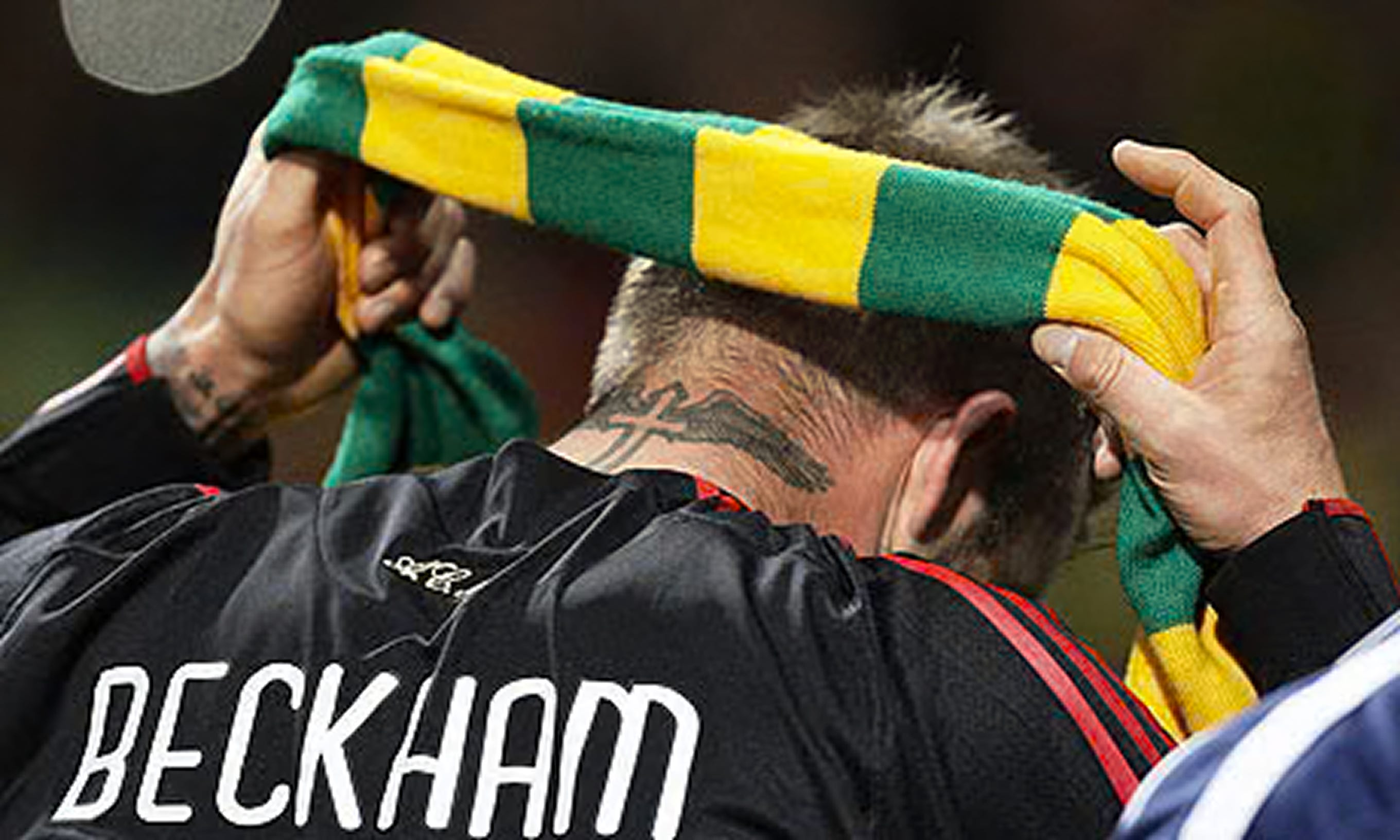
Nobody choosing Newton Heath’s kit in the nineteenth century could have imagined that moment. But more than a hundred years later, those colors gave supporters a way to express what they felt had been lost, and the club’s history had become a way of arguing for its future.
And perhaps that’s what makes sporting mythology so unique. As supporters attach their own memories, loyalties and beliefs to these symbols, they become something much bigger than their original purpose.
The club might create the identity. What it comes to mean is another matter entirely.
IV. STARTING FROM ZERO
Every historic sporting institution was once a new idea.
Before Celtic had a trophy cabinet, it had a charitable mission. Before Manchester United had Old Trafford, it had a group of railway workers looking for something to do. And before the Green Bay Packers became one of the most valuable franchises in American football, they had $500 and the backing of a meatpacking company.
A century of victories, defeats and rivalries has helped turn these clubs into institutions. But the foundations of their identities were laid long before they became household names.
All of which is worth remembering as professional sport enters another period of expansion.
Across North America, established leagues are considering new franchises, women’s sports are attracting unprecedented investment, and entirely new competitions are emerging.
For a new franchise, there’s an obvious problem. No legendary players. No famous rivalries. No songs passed down through generations.
But history and heritage aren’t quite the same thing.
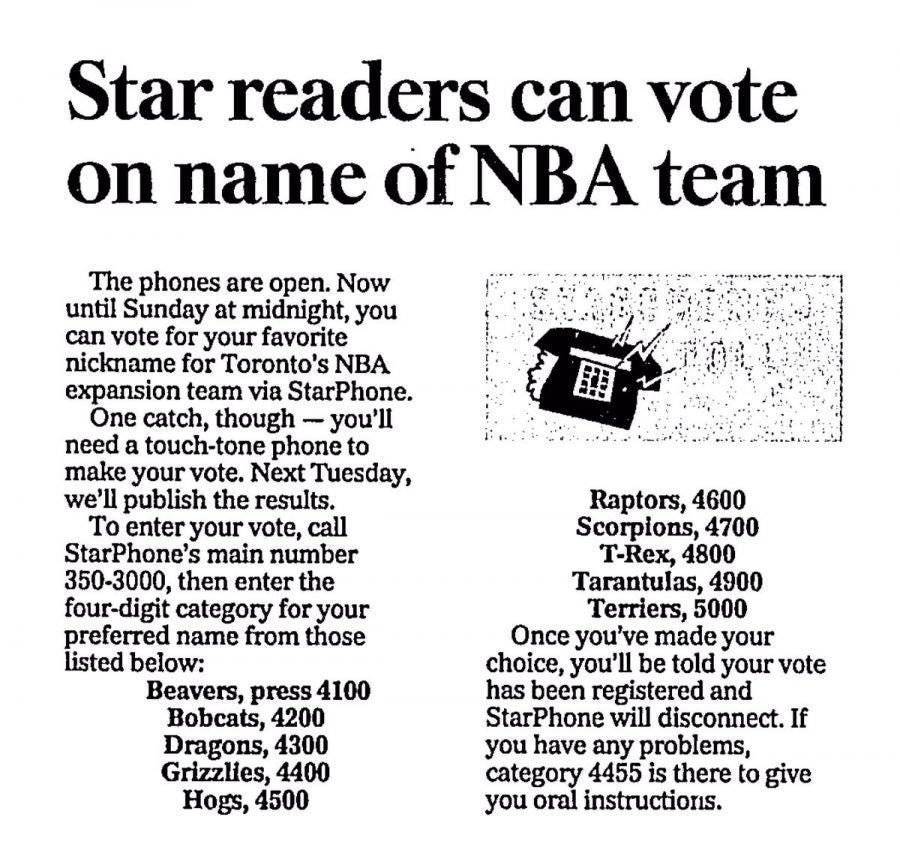
A team might be new to a city, but the city is rarely new to itself. There’s already a rich history to draw from, shaped by the people who live there, the places they care about and the things that bring them together. The opportunity is to understand those things before deciding what the club should become.
And unlike the factory teams and church clubs of the nineteenth century, a new franchise can approach that process with some intention. It can decide what it wants to stand for, whose stories it wants to tell, and what kind of role it hopes to play in the life of its city.
Those decisions can shape everything from a team’s name and identity to the partnerships it forms and the experiences it creates. And while a new team can’t manufacture a hundred years of history, it can make some pretty important decisions about what happens next.
V. WHAT ARE YOU PLAYING FOR?
When Los Angeles Football Club played its first MLS game in 2018, it already had something most new teams spend years trying to establish: supporters.
Before a ball had been kicked, groups of fans were organizing themselves around the club, drawing on LA’s diverse football cultures to create something of their own.
LAFC had understood that Los Angeles already had plenty of people who loved football. What it needed was somewhere new for them to come together. By the time the team took to the pitch, there was already a supporter culture waiting for it.
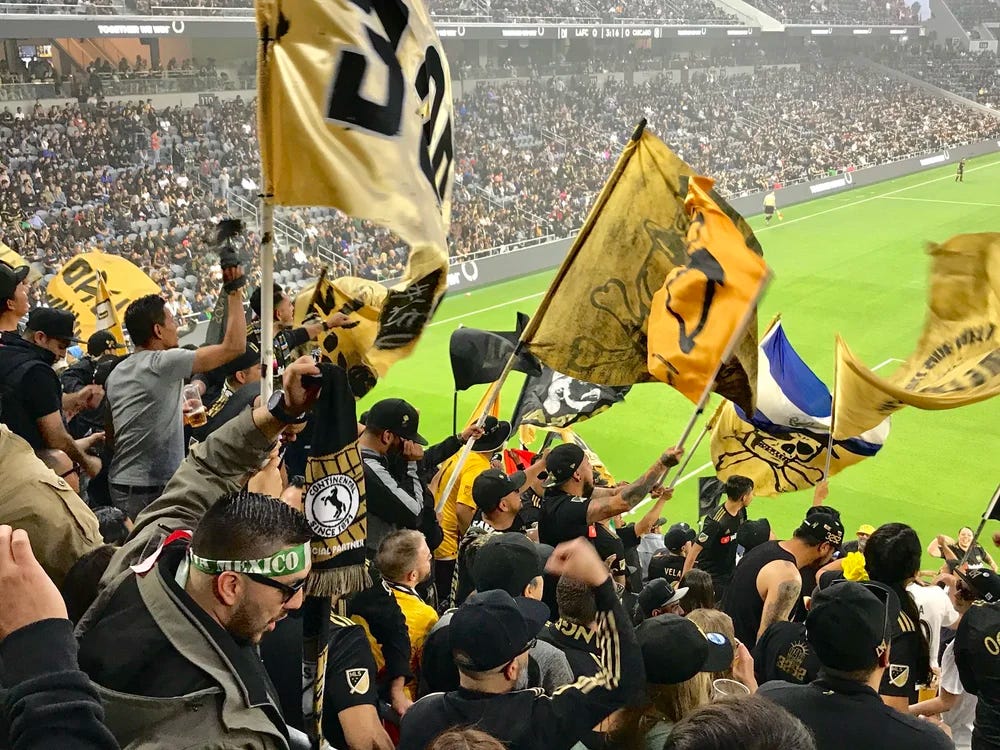
Elsewhere, newer clubs have found their purpose in the people professional sport has historically overlooked.
For years, women’s basketball offered lesbian and bisexual women something relatively rare in mainstream American sport: a place to gather, find community and see themselves represented.
In 2014, the WNBA became the first major American professional sports league to launch a dedicated Pride campaign, formally recognizing a community that had been part of its identity for years.
When Angel City FC launched in Los Angeles, it took a more deliberate approach, putting gender equity and community impact at the center of its plans. The club committed 10% of sponsorship revenue to community programs, giving supporters a reason to care that extended beyond what happened during the match.
Of course, a sporting institution doesn’t always need a grand social mission. Sometimes, it can simply decide that the experience of watching sport could be a lot more fun.
Enter the Savannah Bananas.
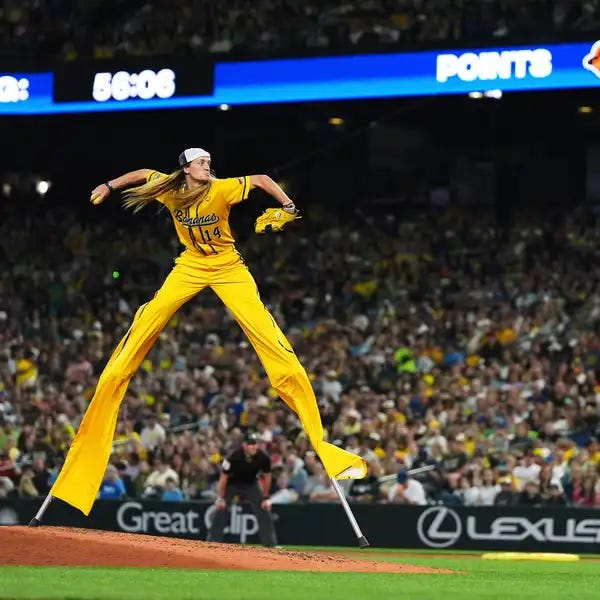
Founded in Georgia in 2016, the Savannah Bananas have built a national following by treating the conventions of America’s pastime as suggestions rather than rules.
Players dance between pitches, perform elaborate stunts and play their own version of baseball, Banana Ball, designed to make games faster and more entertaining.
Their philosophy is simple: Fans First. And it informs everything from the rules and ticketing to the relationship between players and spectators. The result is a traveling phenomenon that fills major stadiums with fans who come as much for the spectacle as the sport.
LAFC, Angel City and the Savannah Bananas have taken different approaches to building a sporting institution. One draws on the football cultures of Los Angeles. Another has put social progress at the heart of its ambitions. The third has decided what baseball needs is dancing.
But all three had a clear idea of what they wanted to bring to the sport, long before they’d had time to build a history. The songs, rituals and folklore will develop over time. The reasons to begin caring can exist from day one.
VI. SOMETHING WORTH BELIEVING IN
Scarcity, broadcasting rights, global audiences and the prestige of ownership all help explain the enormous sums changing hands in professional sport. But beneath those commercial advantages lies something much harder to manufacture. People care.
They care enough to travel across countries and rearrange their weekends. They care about the history, the rituals, the colors. And somewhere along the way, a sports team becomes part of how they understand themselves and where they belong.
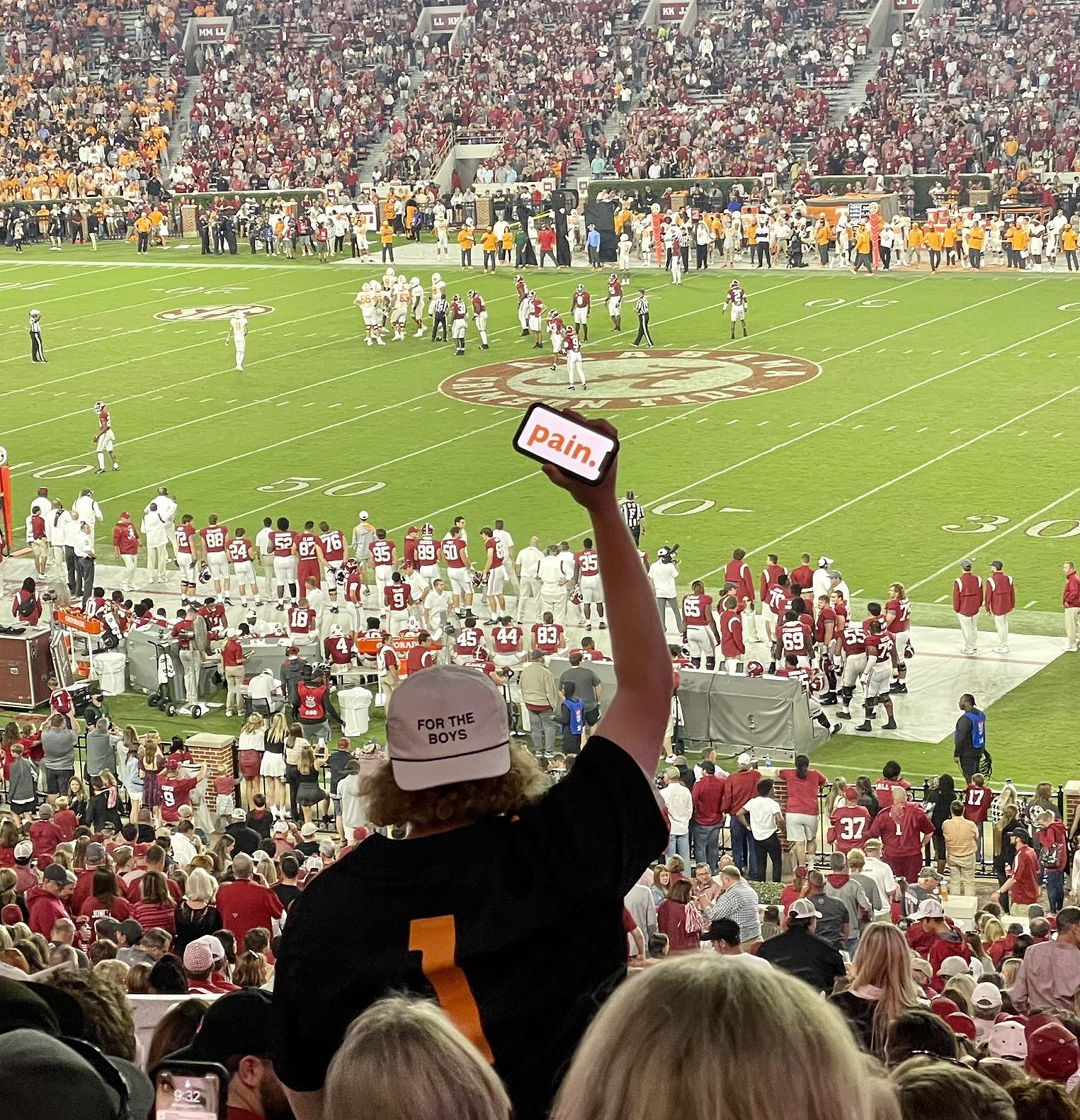
For anyone thinking about the next generation of sporting franchises, there’s a lot to learn from that. A new team might arrive without a trophy cabinet, a century of folklore or a collection of legendary players. But it can begin by understanding the place it represents, the people it hopes to bring together and what it wants to stand for.
The name, the identity and the decisions it makes along the way can give people something to get behind. The rest is up to the players, the supporters and whatever happens over the next hundred years.
You can’t design history. But you can design something capable of accumulating it.
And, ideally, win a few games along the way.
Thanks for reading
Findings is a project by Mouthwash Studio, a design studio centered on new ideas and defining experiences. Learn more about what we’re doing with Findings here. In the archive, you’ll find all our work to date surrounding this project.
This publication is 100% free and is supported by your time and appreciation. If you liked reading this, please share it with somebody who you think might also enjoy it.
Is there something we should cover? Respond to this email or send us a message at findings@mouthwash.co to get in touch.
Image Credits
Images appear in order of publication.
Tottenham Hotspur supporter, 2025. Photographer unconfirmed.
Early Green Bay Packers football team, c. 1919. Green Bay Packers historical archives. Photographer unknown.
“How Can Sports Teams Possibly Be Worth This Much?” Intelligencer, New York Magazine.
Uncut Gems (2019). Film still. Directed by Josh and Benny Safdie. © A24.
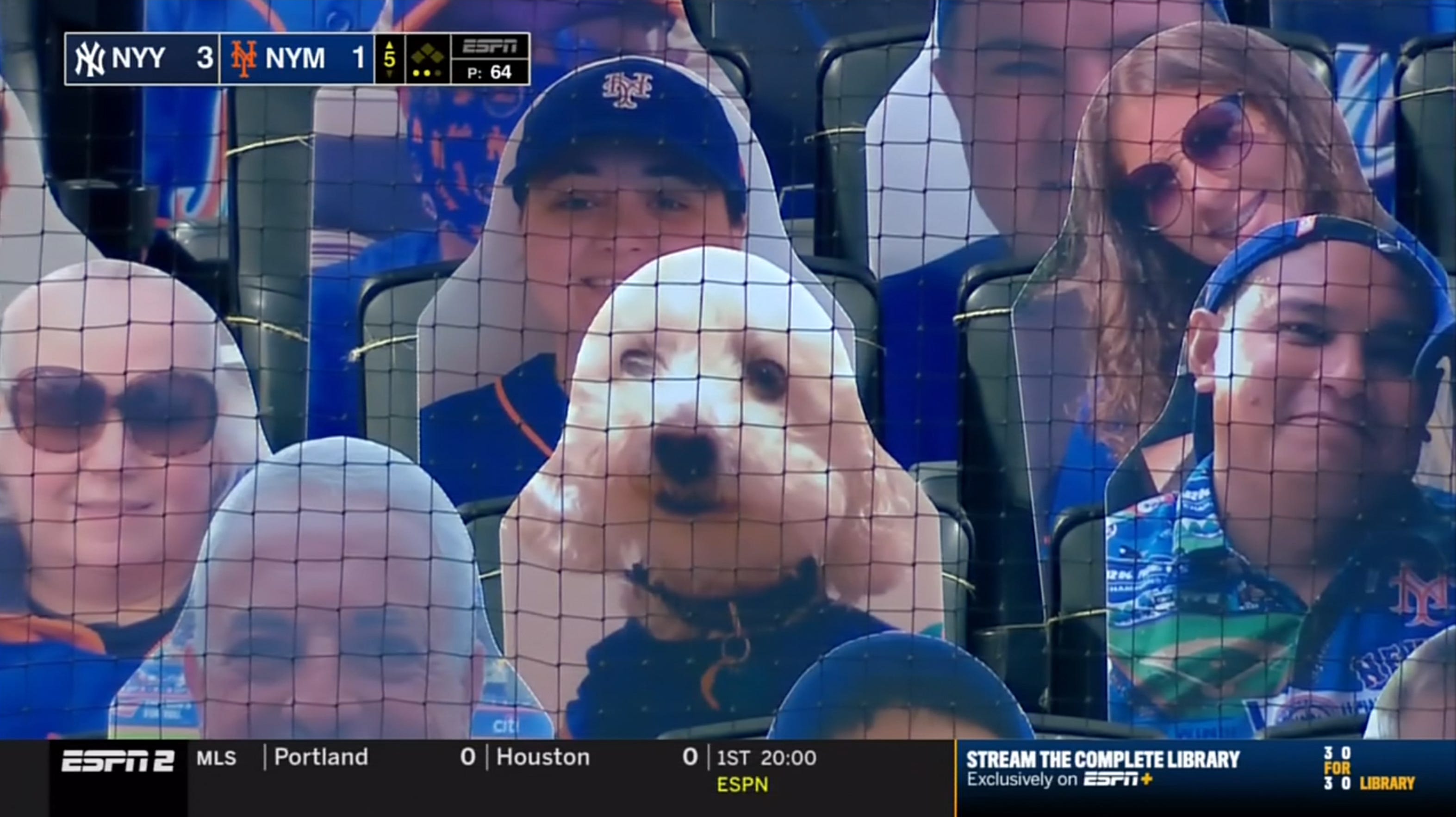
New York Mets cardboard fan cutouts, 2020. Broadcast still from ESPN’s coverage of the New York Yankees vs. New York Mets at Citi Field during the COVID-19 pandemic. © ESPN / MLB.
Michael Jordan, 1998 NBA Finals. NBAE / Getty Images. Photographer unconfirmed.
Hiroshima Carp fundraising campaign, 1951. Historical reference: Hiroshima City archives. Attribution of the image currently used is unverified.
Diego Maradona shrine, Naples. Published by DAZN. Original photographer unconfirmed.
Steelmark and Pittsburgh Steelers logos. American Iron and Steel Institute / Pittsburgh Steelers / NFL. Comparison graphic assembled for MW.S Research.
David Beckham with Manchester United protest scarf, 2010. Martin Rickett / PA Images via Getty Images (exact photograph to be confirmed).
Toronto Raptors naming competition, 1994. Toronto Star archives / Toronto Star Newspapers Ltd.
LAFC supporters, The 3252. Photographer and original rights holder unconfirmed.
Savannah Bananas player on stilts. Photographer and original rights holder unconfirmed.
College football spectator holding a “pain.” sign. Fan photograph taken at Gaylord Family–Oklahoma Memorial Stadium, Norman, Oklahoma. Original photographer and date unconfirmed.